It forced me to really think about what i was feeling,
and to sit inside my heart
so that my hard wired head could stop
and i became content to be in my own space
content to sit within myself as I moved.
content to just watch as the world changed around me
merely maneuvering my truck from idea to idea
it forced me to process things by writing them
but it also gave me the space to think things through in conversations on the phone
but that depended entirely on cell service
the oaks
wrinkles
white walls
metallic beige
flying roaring
cutting
white walls
warm animals
in half motion
motioning
in motion
you latch on to these moments, these images, as they race in your head, as they take tight turns, as a force like gravity pulls and pulls you away. you find yourself empty save the quiet conversations and the warm silence. the moments that make you you. but how ‘bout I move them?
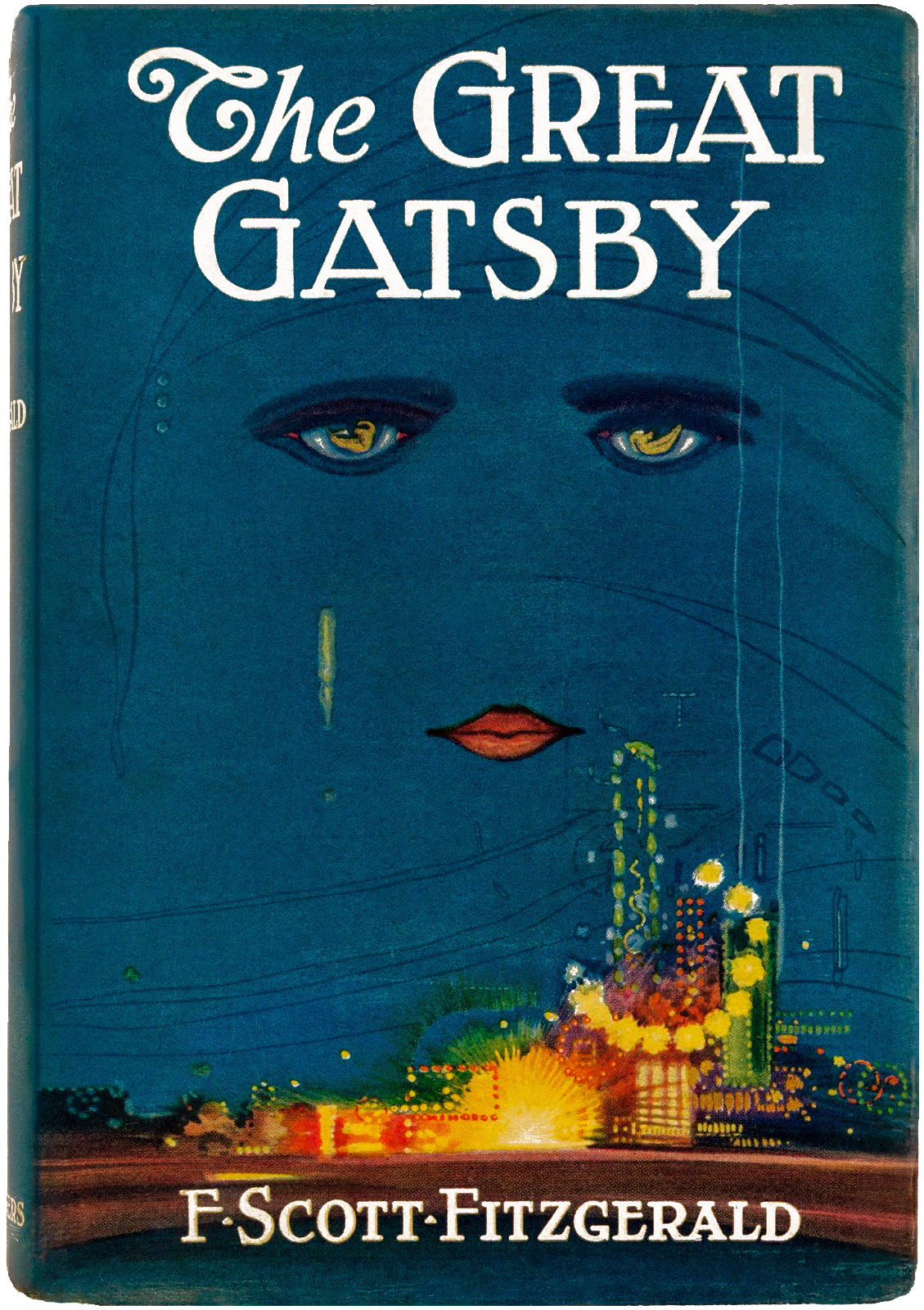
As I look towards the AP English Literature Exam, I find that my favorite book can be applied to almost any prompt.
When you truly admire a work of literature, you can find obscure concepts within it. The Great Gatsby has been my favorite book to analyze and read. Once you finish a class, you can feel the literature being put behind you as you close each of the books. However, AP English Literature class has given me an opportunity to revisit old stories and use my newer skills to analyze these works further.
I look forward to using my personal collection of stories I’ve read to answer prompts on the AP exam, as it will allow me to reflect on my academic highlights from school. As I recall each story, I can remember the class conversations I’ve participated in and the numerous essays I’ve written. I hope to remember these stories into my older years and apply them to my own life.
The Great Gatsby by F. Scott Fitzgerald Art by Francis Cugat
With the slow re-entrance to in-person classes, I have found that several digital aspects still remain part of my daily routine. While I used to carry a large pencil case with an assortment of options, I now have only one pencil that I keep in a little fuzzy pouch. Paper handouts are a rare commodity these days, and I find my handwriting degrading by the day.
I have left behind the use of binders – something which I have practiced and perfected since the second grade. The amount of papers I use now simply does not fill enough space to justify the use of a large cardboard structure that fills my backpack. I now carry a simple folder, one I have been saving for years.
My inability to write as aesthetically as I did in previous years may hinder me in life, but at least I can type efficiently.
I know that I will never retire my pencil, however, as there will always be a need to write.
It is strange the way that we associate music with memories.
It is like a strong perfume that is impossible to disassociate with an era.
There are songs I cannot listen to because I was sad during the month it was in my playlist, or even because I feel that I have moved on from that time period. I now listen to a song knowing that one day, likely very soon, I will have grown out of this small era and will associate the song with the general mood of the month.
Small things in life change rapidly, including the clothes you choose, the breakfast you eat, your daily routine, the people you talk to, and the music you hear. Listening to music from a different era of mine often makes me feel uncomfortable, even if it was a good era, simply because I am not there anymore. It reminds me that times have changed, even if it is month to month.
Sometimes I regret listening to the same four songs day after day on my drive to school because I know what I am building. It will be a memory for my future self to listen to and reflect.
The automatic association of music and memories is hard to shake. They are not implicit memories, it is the general tone of the era that went unrecognized until you hear the songs and realize the moment has passed.




 OVS Journalism Blog
You must be logged in to post a comment.