The Absence of Certainty

Most aspects of life are not permanent or guaranteed, subject to spontaneous change.

Those who were once closest to you can drift apart due to physical distance or changes in character, leaving you feeling as though a piece of you was stripped away and left hollow. Artificial intelligence is increasing in its influence at an overwhelming rate, contributing to the perception that humans are obsolete in the face of technological advancements and posing a threat to human jobs. And with the current trajectory of United States politics, international students, such as myself, never know what new policies could be established that hinder or outright restrict our ability to continue my education in this country.

If these factors are out of our control, it makes us wonder why we try. If they are within our control, it makes us doubt whether we are trying hard enough. 

Now more than ever, the very act of trying or investing time into anything can feel so daunting, with there being no peace of mind that we will be reciprocated for our efforts. But as much as I find comfort in what is familiar, I realize that change is not inherently or always an adversary.

The act of continuing despite uncertainty forces us to adapt and grow in alignment with the contiously unraveling world, serving as a testament to our resiliance. So while I can not prevent the disruption of the familiar, I refuse to let it leave me behind.

Deciding in uncertainty - Thot Cursus

Picture Credit: Google

Hollow Immitations: Live-Action Remakes

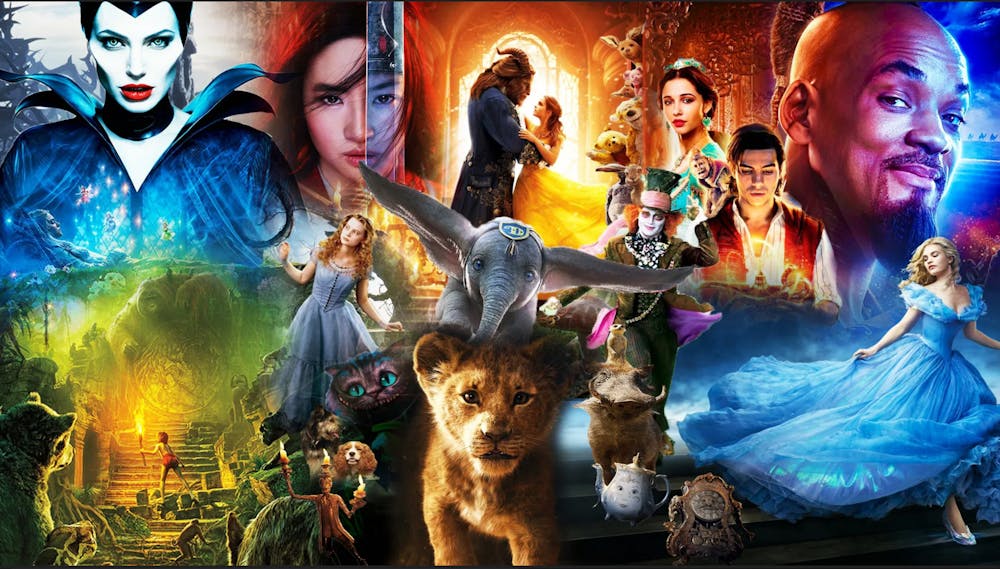
Within the last 10 years, there has been a trend of live-action remakes of animated classic films or series. The most prominent example of this shift is displayed by The Walt Disney Studios, adapting their beloved works for the modern age with updated technology and real-life actors, but telling virtually the same story. Examples include Aladdin, The Lion King, Beauty and the Beast, Snow White, Pinocchio, and many more.

Live-action film adaptations of pre-existing animated stories produce exceedingly high box office results, demonstrating undeniable commercial success. However, they are typically not well-received by audiences and critics, with many perceiving these films as a sign of desperation and lack of creativity. And yet, they continue to be produced and continue to make hundreds of millions of dollars, capitalizing on nostalgia for profit rather than telling creative stories.

Conversely, films containing original stories recieve less recognition and tend to flop at the box office, further incentivising the continuation of live action remakes.

While they are lucrative, live-action remakes of animated stories lack the soul and passion of their original counterparts. Most of the stories told, particularly classic Disney films, were told in animated format to enhance the whimsical and expressive nature of their respective narratives and characters. When that core element is stripped away, all that is left is a mere imitation of a beloved story that a live-action adaptation could never recapture, let alone surpass.

Disney Live Action Remakes: Do They Have a Future? - Wright State Guardian

Picture Credit: Google

Rise of AI: The Degredation of Passion

Within recent years, artificial intelligence capabilities have increased dramatically. It seems as though, through our efforts to improve and optimize every aspect of our lives with AI advancements, humanity is diminishing its ability to act for itself. Resultingly, artificial intelligence poses a risk to a variety of jobs, typically ones that are repetitive or data-intensive, such as data entry, analysis, and calculation-based jobs. While computer systems may be more “accurate” and “efficient” in performing these tasks, it contributes to the perception that humans are becoming obsolete, with the people in these jobs no longer having any use for the time and passion they poured into developing their skills.

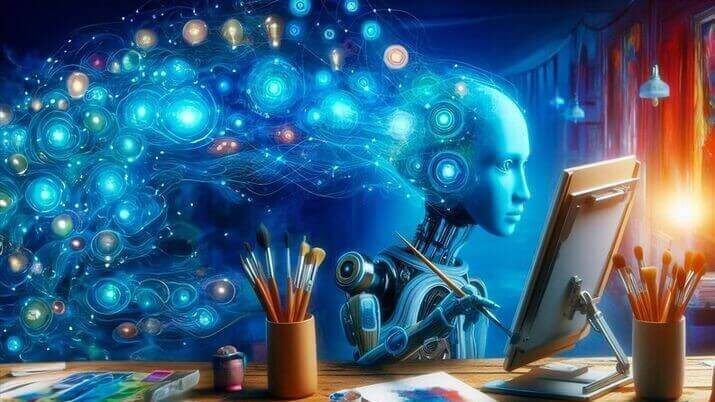
By far, the most egregious modern implementation of artificial intelligence is with generative AI in creative fields. The primary reason why we as humans create art is our instinctive desire to express. All art forms, whether it be writing, drawings, or film, are products of the human imagination, fueled by the soul to encapsulate an individual’s vision in a tangible piece of media. While AI is once again more “efficient” in terms of time and labor, it lacks the passion and expression that drives humanity to create art in the first place.

The Rise Of Generative AI In 2025: Transforming Content, Art, And Design -  Boston Institute Of Analytics

Picture Credit – Google

Timeless Brilliance: The Twilight Zone’s Lasting Legacy

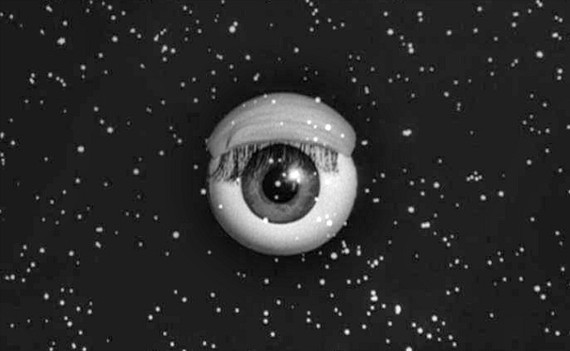
The Twilight Zone serves as one of my favorite television series of all time due to its disturbing psychological horror atmosphere, its exploration of morality, and its thought-provoking social commentary, which often proved to be well ahead of its time. But by far, what I and most fans of the show are most drawn to are its brilliant use of ironic twists. The series is acclaimed for its clever and unexpected twist endings that not only shock the audience to their core but also leave them reflecting on the deeper themes and implications.

While modern horror works, such as those directed by M. Night Shyamalan, often rely on a shocking twist, the 20-minute run time of The Twilight Zone ensures its signature impactful delivery, making each episode feel like a complete experience with no intention of wasting the viewer’s time. An issue with the modern reboot of The Twilight Zone in 2019 is that the episodes typically range from 40 to 60 minutes, two to three times the length of the original episodes. The prolonged runtime gives the audience more time to put together the twist, resulting in a much weaker lasting impression.

How The Twilight Zone Predicted Our Paranoid Present - The Atlantic

Image Credit: Google