Najin and Fatu

Some of you might know about the case of the northern white rhino. Today there are just two individuals left on this planet, and they are both females named Najin and Fatu, mother and daughter. For decades scientists have tried to figure out how they can save this species from extinction. I have followed this case for many many years and last week I received great news. Scientists were finally able to create five embryos of a northern white rhino in a lab. What they did is they collected eggs from the two females and then took semen from a deceased male northern rhino to create an embryo. They have now implanted one of the embryos into one of the females and they are being monitored every day to see if the embryo is making progress in growth and is healthy. 

This is a huge success and with it, we might be able to save this beautiful species from extinction. The two rhinos are located in northern Kenya and have 24/7 protection from 6 armed guards. Poaching has pushed this species to the brink of extinction. Humans and wildlife are getting into more and more conflicts due to our constant human population growth. Wildlife has less and less space to live and many species are poached, decreasing their numbers even more.

When I got the news that they have successfully created northern white rhino embryos I was filled with joy because it means that our future generations might be able to witness the beauty of these creatures. 

https://www.chicagotribune.com/news/environment/ct-northern-white-rhino-embryos-20180704-story.html
Seaside

by the sea she sits

watching the waves crash over and over again

her blank stare collided with the violent ocean movements

her fragile body sank into the warmed sand as the water slinked up the beach

desperately trying to touch her

next to her a book that reads Gone With The Wind laid on a small quilt

the checkered baby pink and faded lime green quilt also held an old fashioned film camera and a what seemed to be a collection of shells

at that moment I knew nothing about her accept she may possibly be a romantic due to the book

she interested me because she looked so unbelievably in place

she seemed to simply exist, without disrupting any of the everyday inhabitants, very quietly and naturally

above her seagulls circled in a draft

their wings sat almost as still as she did

she wore a white silk dress and a large scarf that wrapped around her whole upper body

then I see her hand lift and point out into the wide plane of water

she soon retracted her hand, probably remembering that there was no one to show what she had spotted

the water stood still and glassy all the way out to the horizon

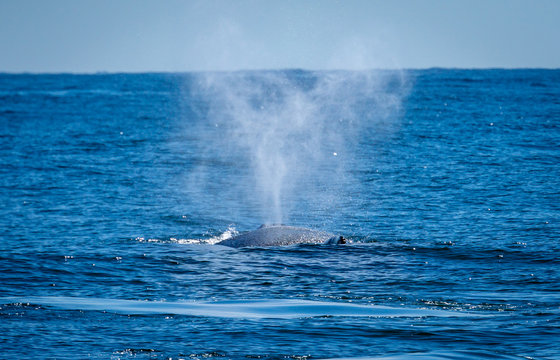
I followed in the general direction her finger pointed and saw a large explosion of water, soon after there was another much smaller spout

my best guess is a humpback whale and her calf because it was around the time for their migration

soon after seeing the whale I picked up my things and walked down the beach in the opposite direction of the mysterious woman

hopefully you enjoyed a short glimpse into my outside perspective on an interesting stranger

found on Adobe Stock

A Culmination

I present my Capstone this Wednesday. It is a culmination of my experiences in high school, and a chance to share a topic I am passionate about. For my “project,” I fostered kittens. Not only will I share my experience, but I hope to educate others on how to care for animals and why it is a community responsibility.

Fostering is vital to the life of every cat. The Humane Society is filled with kittens, yet nobody considers where those kittens were for the first eight weeks of life. Every kitten was either raised outside by their feral mom, or they were fostered by someone who sacrificed their time to raise a kitten.

Fostering kittens gave me firsthand experience with the issue of finding homes for cats. While I “foster-failed” and ended up keeping one of the kittens, I did not have room in my then five-cat household to keep another. I named her Blue, and we took her to the Humane Society where she was adopted.

I look forward to sharing my experience and enthusiasm with my school, and I hope to inspire others to foster kittens and save lives.

Image Credit: Hannah Shaw

Up close with our cousins

2 weeks ago I went on a journey back to Africa. But this time not to Kenya. We flew from Germany directly to Entebbe, Uganda. From there we drove all the way to the famous Bwindi Impenetrable National Park. This is the place which one of the most endangered animals of our planet calls home, the Mountain Gorilla. The first tracking started at 7 am. We had a short briefing with some rangers and then left right into the Jungle. There are no trails so the guides cut through the bushes with machetes. The mountain gorillas are named that for a reason, they live upon incredibly high mountains. So getting there was not only difficult because of the thick jungle, but also becauseof the elevation gain. The first day we climbed about 300 meters in altitude the second we climbed 450 meters in just 1 1/2 hours. It was definitely the most exhausting thing I have ever done in my life. But so worth it.

We started hearing the gorillas communicating from the distance. We made our way closer to them until I got my first glimpse at the huge silverback of the family. It was a group of 9 gorillas. One silverback, four females and all for females had a baby around the same age. Seeing how they interacted and communicated with each other was amazing. They were so incredibly human. We share about 96% of our DNA with them! The little ones were incredibly curious and came closer to check us out.

It was by far the most magical experience of my life!

picture by author

The five boys

As already written in many of my past blog posts, I have spent a lot of time traveling through Africa, documenting my travels with my photography. My favorite place to visit is the Masai Mara in Kenya. It borders right in Tanzania and is part of the incredible Serengeti. When on safari you get the chance to observe some incredible behavior that can only be seen in the Masai Mara. The Mara is famous for a group of 5 cheetahs, the fast five or also known as the taco Bora. They are a coalition of 5 male cheetahs that hunt and care for each other. I have already written a blog post about them. This time I am writing about a coalition of 5 powerful male lions, “The five boys”. They come from the black rock pride and have been chased out. Male lions get chased away from the pride when they reach a certain age because they will get tendencies to take over the pride.

Once chased off, they either go off solo but most of the time they will get together with other nomads. These groups can become very powerful and are very threatening to lion prides around as they are looking to take over a pride for themselves. I have had the chance to follow the five boys for many days and observe them while playing, cleaning, and hunting. We spent three 13 hour days with them. They had found a huge herd of cape buffalo. Buffalo are one of the most dangerous animals in Africa and they oppose a very big danger to lions as well. They can seriously injure or even kill a lion. The five boys feed 90% on buffalo and they have created a strategy that works every time. Once they find a herd they will follow it for a few days and test it several times throughout the day. That means that they will charge it and try to pick out young, old, or weak individuals that will be easy to take down. Once they get the chance they will single a buffalo out and take it down together.

Being able to observe them for days at a time is something I will never forget. Truly incredibly.

Three of the five males

picture by author

Nothing but empty promises…

In October I wrote an article about one of the most famous wildlife photographers, David Yarrow. For years I looked up to him and saw him as a role model. That changed when he started endangering wildlife just to get the best shot. From chasing a giraffe to get the perfect shot, to using a “photography game farm” in Montana that has a record of abusing their animals, to putting one of the last big tusker Elephants in the world in close proximity to a model for a good shot. This could’ve not only endangered the people around but also the Elephants as if they would’ve acted out they would’ve gotten shot. He has been calling himself an active advocate in wildlife conservation yet embodies everything that is not wildlife conservation at all. The first, biggest, and most important rule in wildlife photography is: do not interfere with the wildlife.

David Yarrow apologized for his actions and promised he would change to the better. But he did not hold that promise. Yesterday a picture of him with two of his friends cruised around the Internet. He was lying on the ground with his camera while his friends were feeding Foxes in the Grand Teton National Park. A FED ANIMAL IS A DEAD ANIMAL! Especially foxes can get very dependent on humans if they are fed. They will start going up to humans begging for food and stop actively hunting for themselves. 99% of the time these foxes will die or have to be taken down by Rangers because they have no chance of survival anymore.

It is very sad to hear that David Yarrow continues to be a bad example, and there was nothing behind his promises in October. He needs to be held accountable for his actions. Feeding animals in a National Park is against the law and he is currently being investigated. I hope he will not just get away with a slap on the wrist this time.

Davis Yarrow laying down taking photos while his friends are feeding the foxes rests of their McDonalds meal.

Photo credit: https://www.jhnewsandguide

My Turtle Koa

For Christmas my grandma gave me a turtle. Her name is Koa, and she came with a little bead bracelet and a card to track her movements in the wide ocean. I scanned her code, and my phone displayed a map of where she was released.

Her journey began on the coast of Florida as her rescuers released her into the wild. I could see she had already swam miles up the coast of the United States. She had passed Georgia territory and was nearing North Carolina.

Her little fins took her across half of the country, and halfway back. When I had previously thought about sea creatures, I had always imagined they’d stay in one area that they called home. My experience with Koa, however, has showed me that she is a true explorer of the ocean with no limits or boundaries.

I am grateful to have a connection to a living part of the ocean that I can check in on each day.

Image Credit: Shane Meyers

For Africa

In about three weeks, I will finally return back to my second home: the Masai Mara in Kenya, Africa. This will be my fourth time visiting the Mara and I am more than excited. While I am there, I will work on a big project for school; working with different wildlife conservation organizations as well as Park rangers that wander the park every day in search of poaching traps. The work these rangers do is incredible. They dedicate their whole life to the park and the animals that live there. I and so many other people are incredibly thankful for the work they do. Without them, the parks wouldn’t work the way they do.

But also, tourism is a very big part that makes these parks work. Many people are not happy with tourism in these wild parks and think that tourism should be completely banned. I do agree that sometimes tourism in the parks can be overwhelming, but it is such an incredibly big and necessary part of Africa. Without tourism, rangers would not be able to save the animals from poaching because the park would have no money to pay the rangers anymore. So many people would lose their jobs, and the animals would lose the protection they have from poachers. Tourism is a big and vital part of these parks.

When COVID hit, and traveling was shut down, these parks suffered immensely. The poaching numbers rose into the sky and many lost their jobs. A lot of photographers as well as myself donated money to an organization called “prints for wildlife”. This organization collected prints from hundreds of different small and well-known photographers in order to raise money to send to these parks. They were able to raise $660,200 in just one month. It was absolutely incredible to see so many photographers work together to save what they love most.

pictures by: https://www.printsforwildlife.org

Stuffed Animals

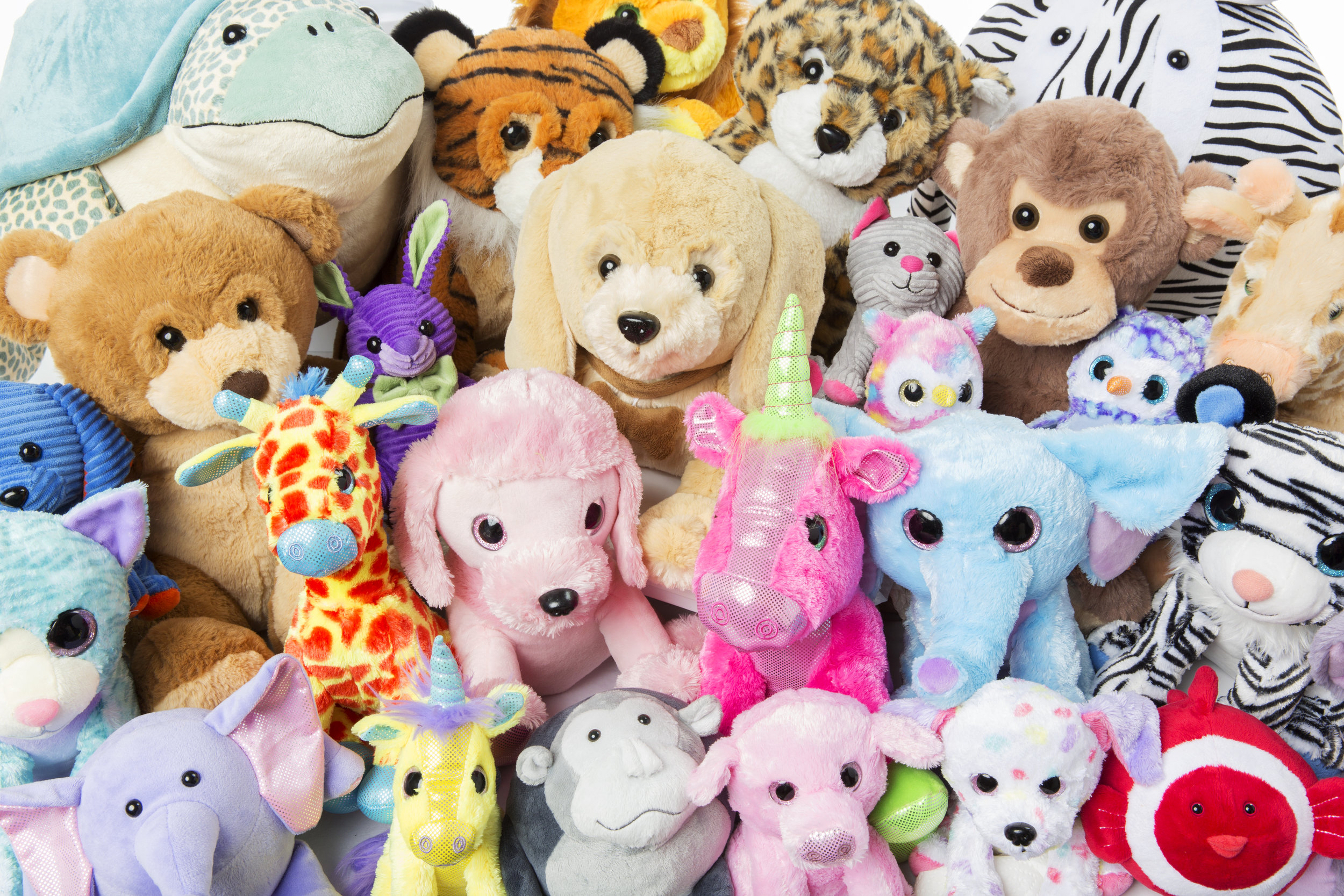
Children grow up having stuffed animals with them everywhere; to sleep, to play with friends, and even to talk to. The stuffed animal is a staple in one’s childhood.

They come in many forms, from elephants to Donald Ducks, as well as different colors, sizes, and densities. Some are stuffed with more fluff than others.

Photo credit: MVP Plush

Children are not the only ones who have stuffed animals, though. Teens and adults have them as well. As a person grows up, they normally bring or take along a friend with them.

Stuffed animals are sacred, they are given names and special stories that are with them forever. They could be used for emotional support and even as an audience for your singing concert. These items of fluff are so valuable and special to some people that they take it everywhere with them, and sometimes they are so loved that they start breaking. They wear down over time because of all the hugs and kisses given to it.

Stuffed animals are prized possessions that everyone has.

Chewy

Going back 10 years ago, a 6-year-old blonde-haired girl went into the rabbit shelter in Santa Barbara (that to this day does not exist) with a determination. As she comes into the outside rabbit room, she laid her eyes on hundreds of bunnies. She walked around the shelter saw some cute ones, but not staying more than a few seconds to thoroughly examine the rabbits until she comes upon an odd pair, two brothers one bright white with blazing red eyes and the other another jet grey. She immediately sat down as began to play with the bunnies. His mother seemed shocked because these two bunnies were not particularly young and not particularly friendly. Not more than half an hour later the little girl left with her new bunnies, chewy and sweetheart. Sweetheart, the white rabbit got his name from immediately coming up to the girl and resting his small head on her equally small foot. While the grey one simultaneously chomping on a carrot, moving his mouth in a circular motion made the child burst into laughter. As the girl began to grow, so did the bunnies. Stages of their life passed by quickly. Skipping ahead two years. The girl left her house with one of the Dork Diaries in hand and walked out to the back yard where the hutch sat. She climbed through the bunny door and sat in the wood and chicken wire cage. The bunnies would hop over to her, lay down, and not move until she got up to leave. Every day, she would read aloud to her bunnies, all the way until she graduated the fifth grade. Going into middle school the bunnies became a second priority, but she still fed them twice a day and would do monthly spa days for the rabbits, which they thoroughly enjoyed, until that next summer came and the white bunny that had glowing red eyes died. She held him in her arms for the last time before her dad took him to the bunny clinic. He had bladder stones. That night the not-so-little girl, her mom, and brother sank onto the living room carpet embracing one another in each other’s sadness. The girl had never truly lost anything to that extent before. But life went on. The girl in the fifth grade, about a year before sweetheart died, had gotten two more bunnies. Chewy lost his bother that day, and at 7 years old decided to keep living. As middle-school continued, the girl grew more distant from the bunnies, she became more interested in drama and “life”. She still took comfort in them and would visit them when she wanted to take comfort in something so innocent and that depended on her. Although she loved all of her animals, she would always hold chewy longer and give him extra carrots. She loved the way he would eat them. Although it did not make her burst into uncontrollable laughter, she smirked and watched until he finished chewing. In eighth grade she lost one of the bunnies and she buried him in her yard. She spent the rest of that day with chewy and the other bunny. Chewy looked happy as ever. His jet grey coat was sprinkled with white. His eyelids dropped slightly but his eyes sparkled the same that they did nine years ago when she got him. Now, skipping ahead to the present day. At 10:13 on November 22d, 2020. The girl’s mom comes in and says that something is wrong with chewy. Immediately the girl, who has turned into a young woman, begins to sob. Running outside she sees chewy laying on his side. Shaking. His head hung low as he tries to stand. She picks up chewy as he lays on his side. Turning him over she sees that he has an infection. Putting him down gently and stroking him in hopes to provide comfort to him as he had done for her. Her mom and her get into the car with Chewy. They decided that the best thing to do is to end his suffering. Knowing that a piece of your childhood is dying is something hard to face. Arriving at the 24-hour clinic, she carries the box to the front door. Her mom fills out paperwork as she sinks into a patio chair looking at Chewy. As a man approaches the door to the clinic, she opens the box and gently strokes chewy’s back and says goodbye for the last time. Standing up. Not being able to stop the tears, she hands the box to the doctor. And at 10:55 pm, Chewy and the girl are separated forever. Turning to her mom embracing each other like they had done so many years before with Sweetheart, they drive home. Sinking into a coma of emptiness, the girl thanks Chewy and wishing him the best where ever he may be going. She hopes that he finds peace and that he is relieved of all pain that he felt.

Thank you Chewy for all that you have done for me. You will be remembered and loved forever.

image found on Pixabay