How to Have a Zero Waste Period

Surprisingly, one of the top questions I get asked being low waste is what I do when I get my period? I know many girls that have wanted to make a change from using Tampons, pads and panty liners but don’t know the next step. So I thought I would come on here to give a complete guide to having a zero waste period. 

There are many issues with disposable tampons and pads but the top two reasons why we should make the switch is:

  1. For our health: Most mainstream tampon and pad brands use a combination of bleached rayon, conventional cotton, and contain plastics.
  1. For the environment: The average pad contains the equivalent of four plastic bags. And all of the excess product goes straight to landfills and our oceans. 

There are a lot of different approaches on having a zero waste period which personally have been easier and saved me a lot of time. 

Option Number one: Swapping tampons and pads for menstrual cups: 

Menstrual cups are a great option for any female on their period with heavy to low flows. You’re also able to sleep while wearing a menstrual cup which is a great alternative to wearing bulky plastic filled maxi- pads or tampons which are not designed to be worn for more than eight hours of sleep.

My experience over with menstrual cups is good, it takes a while to master the process using it, applying it, but makes life so much easier… now when I’m on my period I barely even notice.

Option Number two: Switching to period panties:

This option is good for girls with light flows to medium, or girls with heavy flows at the end of their cycles. The period panties are just like regular underwear with a thin built in lining to soak up the blood. It’s just like using a pad without the waste, so you just through the underwear in the wash afterwards and then you can reuse it. 

My experience with period panties is some leakage so it is a good option if you have a heavy flow.  You can use reusable pads or the menstrual cup in the beginning of your period and when it gets lighter switch to reusable pads/cloth pads. 

Option Number Three: Reusable pads/cloth pads: They are just like regular pads but you have to wash them out afterwards to reuse.  

I haven’t used reusable pads/cloth pads before but I think it’s a good option to have along with other products. Some women I know use reusable pads and it works well for them.

Overall people have different preferences so not every product could be for you. It could take some adjusting but this is the future trend for our female hygiene products. It will help you and the planet at the same time. So it’s a win/win!

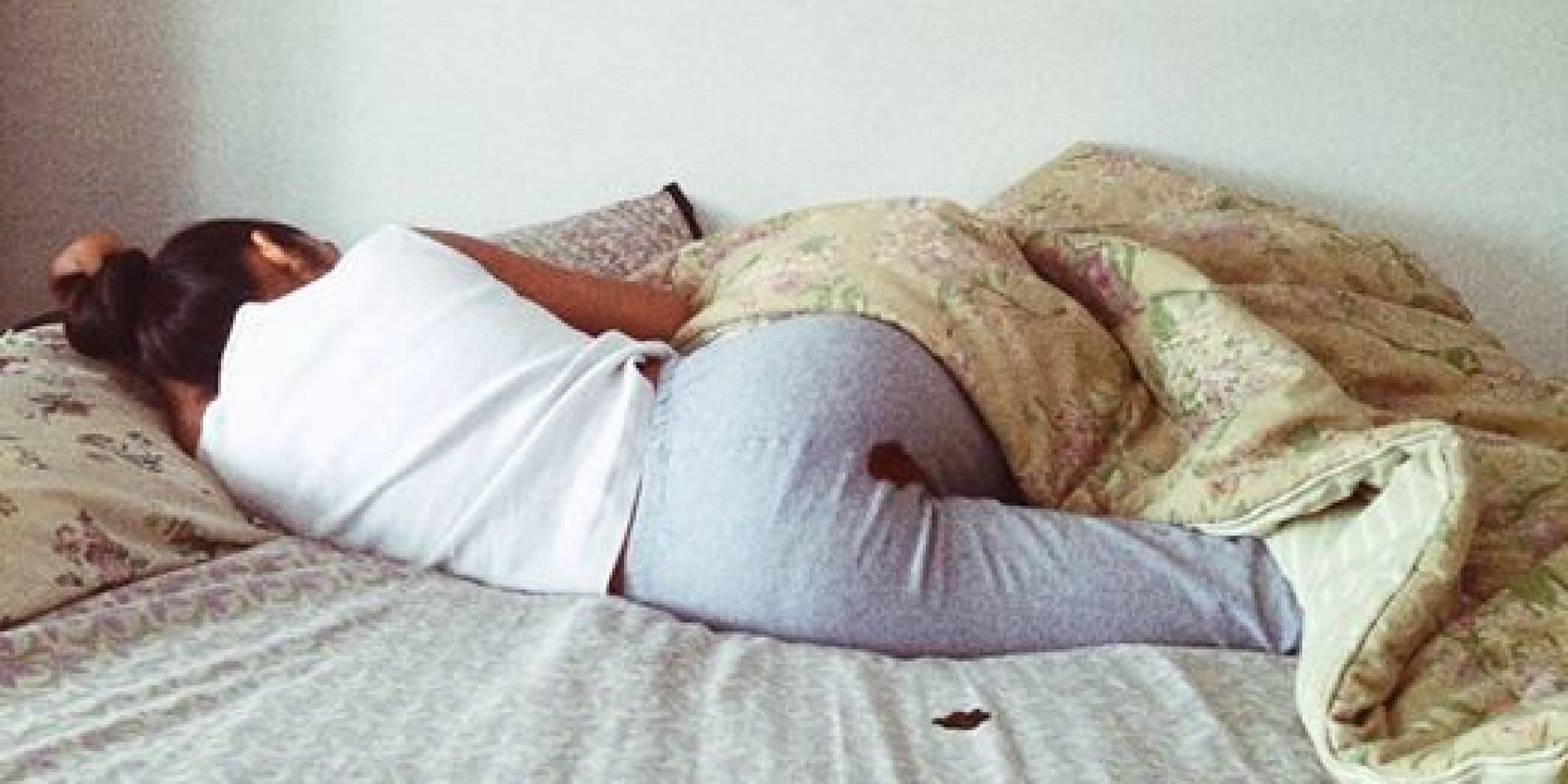
Image from Pinterest.com

Monthly Madness

Periods. Otherwise known as menstruation. Otherwise known as the precursor to pregnancy, that time of the month, the curse, the monthlies, shark week, and the list goes on. Yet, with its many names, society seems to forget about this natural way of life. The fact that 49.6% of the world experiences this process at one time or another would make it seem that the conversation surrounding it would be frequent and healthy, but no.

Anyone born with a uterus has heard the first period stories. I remember before I got mine, I heard about my mother’s. She hid her underwear and would sit crying in her room because she didn’t want to tell her parents that she was dying. Think about that for a moment. Albeit, sexual education has progressed since my mother was a teenager, but the lack of information about periods is still very much an issue. I don’t remember any information about periods except a movie in fifth grade titled Just Around the Corner and a brief lesson about it in freshman year. I don’t remember learning what pads to get, if tampons are right for me, how to handle cramps, how to predict/learn about my cycle, and many other questions that I still have today.

Photo Credit: huffingtonpost.com

“Most girls learn about their periods the day their periods start,” says Chandra-Mouli, a member of the World Health Orginization. He describes the all too popular story that usually goes like: “I started having periods at school. Spotting on my clothes. Giggling in class. I didn’t know what was happening. My panties felt wet. My teacher made me wait in the staff room. I thought my insides were rotting. My mother came and wrapped me in a towel, took me home, put me in a bath and said, ‘You’re a woman now. Don’t go out and play with the boys.’”

That lack of education is even worse in many other countries. Periods are seen as a curse; women are shunned from public life and aren’t allowed to cook, clean, or learn. It’s also immensely harder to get proper sanitary items and unhealthy options are almost always used. Did you know that 10% of girls in Africa miss out on school because of their period each month or that 4/5 girls in East Africa lack the access to basic sanitary supplies? Why are we letting these young, impressionable girls internalize these gross views of their bodies? In order to help the ever-growing future, we need to help young women all over the world to feel no shame about their bodies.

I think that the first step to getting rid of social stigma is education. Teach boys how to pick out period products for their sisters/mothers/ girlfriends and how to be supportive to these women in their lives. Teach kids that there are transgender kids who either do or don’t have periods and it kills them on the inside. Show us pad ads where the coverage simulation uses red ink instead of blue. Teach girls how to feel confident on their period and how to handle this intense shift in hormones. Open up this conversation in class or at meals. Yes, it may be uncomfortable, but if it could help one more person not stain their clothes or miss another class, then, in my opinion, it’s worth it.