To begin,
For all of my peers who participated in the national school walkout today, I want to thank you for standing up for what you believe in and being catalysts for the change that our country so desperately needs. We know what kind of world we deserve to live in, and we are making it a reality.
Credit: TruthRevolt.org
Growing up in an age of technology, social media and internet access can be a double-edged sword of sorts. We can use our technology as a platform for positive things, like spreading awareness and voicing our opinions on all sorts of matters. But, that can also result in a nearly obsessive need to receive validation for our experiences. This validation comes from documenting and posting about almost anything that occurs and is worthy of being noticed.
This dichotomy poses a question: If you don’t post about it does it even really matter?
I’m not trying to be cynical, I’m just genuinely curious if that is a justifiable way of life. I’m not saying I am immune to it, but I would also like to think that I’m not dependent on my social media, nor do I find validation solely through it.
Something I noticed throughout the protesting that took place today is a lot of people seemed to have no idea why they were a part of it. Sure, they knew that it was in honor of the seventeen victims of the Parkland shooting, but they were mostly participating just to follow along with everyone else.
Credit: Polkscan.com
I received several messages, posts, etc. talking about the protests and ways to be involved, which I appreciate, but in lots of ways they all seemed so disingenuous. I am fully supportive of young people’s activism. But when you send me snapchats of yourself wearing an orange t-shirt to “show ur support!” I can’t help but think that you really have no idea what you care about, you just want me to know that you “protested.”
When asked what you believe, you can give a coherent reply. But when asked why you believe it, you have no idea.
It’s almost as if you don’t even care about the victims of all of the past shootings, you don’t even know why people are fighting for stricter gun control/laws. You only care about how many likes you got or how many people viewed your story.
Being a part of a protest itself (actually being an active activist) should be validation enough, it shouldn’t need to be found on instagram. But maybe that’s just the way I look at it.
So, yes, I understand and agree with the fact that social media can be used to spread awareness and to generate change. I also realize that these walkouts were fueled by social media, and that without it we wouldn’t have accomplished such a large-scale and widespread protest. But when half of the people I see posting have no idea what the significance of it is, it just makes them seem ignorant and it takes away from the importance of today’s events.
It is inspiring to see so many young people who already have such strong opinions. But if you have no idea why you have certain beliefs, if your beliefs don’t have a purpose or a foundation, then you might as well not believe in anything.
In order to be effective you must first be informed.
I think we can all agree that, for the most part, politics suck.
When I was younger, I think I just sort of fell into agreement with my family’s political views; one, because I didn’t pay any attention to what was happening, and two, because it didn’t matter to me at that point in my life anyway.
Now that I try my best to stay up-to-date with news, I can actually comprehend what it means, and I feel the effects of the things that are going on in the world around me. Now that I can form opinions for myself, they’ve begun to differ from what I grew up with.
For the most part my parents are very open to discussions and they do their best to give me unbiased responses, but some others in my family aren’t so supportive.
I try to stay away from discussing politics with these members of the family, but sometimes things come up unintentionally. For example: tonight at dinner, I began talking about hopes for my future, such as what I want to study and where I want to go to college, possible careers, where I want to travel, etc.
When I mentioned that one day I want to join the Peace Corps they sort of laughed at me. That’s when our conversation took a turn. Instead of discussing my hopes and dreams for my life ahead of me, I was bombarded with questions like, “Why do you want to join the Peace Corps? Why don’t you intern at Wall Street?” and “Don’t you care about money? Well you will once you have to provide for yourself.”
Image via Bubble-Jobs.co.uk
As a result of those responses, I have a message for the family members in question: Since I decided to keep my larger opinions to myself after the dinner incident, here are a few things that I hope you will someday understand.
First and foremost, I am fully aware that for my entire life I have been financially secure and I haven’t had to worry about anything involving money. I know that this is a result of a lifetime of your hard work, and I am incredibly thankful for that.
Although some of our opinions are quite different, I still respect yours; your opinions are valid.
I’m not sorry that my views differ from yours, but I’m sorry that you completely disregard them. It really doesn’t matter to me that you have different values, so long as you don’t tell me that my own are wrong.
While you are probably correct in that a lot of my opinions are somewhat influenced by my peers, that doesn’t mean that I can’t think for myself.
It’s fair for you to be disappointed that I don’t agree with you, but it’s not fair for you to be disappointed in me as a person. The way I vote does not determine who I am, nor does it determine my character.
Half of my relatives just give away their vote and let someone else decide their views for them. Shouldn’t you be happy that I can think for myself? Shouldn’t you be happy that I don’t believe everything I’m told and that I know what is important to me? Shouldn’t you at least be happy that I believe in something?
Please don’t disregard what I say to you. Please don’t blame my opinions on my age. Please don’t brush off my contradictions with “Oh, she’ll come around one of these days.”
Please don’t look at me differently because of what I think. Differences in opinions should be accepted, not criticized. If our minds were all the same, nothing would ever go anywhere.
Diversity, whether it be found in people, in life experience, or in beliefs, is a wonderful thing.
Despite everything that is going on in the US lately, I highly doubt this phrase was ever supposed to refer to gunfire.
There have been over 30 mass shootings in the US since the beginning of 2018. There have been at least 12 school shootings within the past two months. That means, on average, about 1.5 times a week this year children had to literally fear for their life, run, hide, and not make one noise because that could mean their death. Over 20 people have died from school shootings. More than 60 people overall were killed from mass shootings this year. More than 60 souls.
And you still want to convince me that we need guns to protect ourselves? I understand that the second amendment allows Americans to bear arms, and it is in your patriotic pride to protect that right. But until 1865, slavery wasn’t against the law either, and we managed to change that, too. Times change, bad things happen, that’s how we’re supposed to learn.
In 1999 the Columbine shooting happened. We still talk about it, we study it in school, we still send our prayers and wishes to the victims’ families and friends, but god forbid we actually do anything about it, god forbid we learn from our mistakes.
Nineteen years later, no rules have changed, the same tragedy keeps happening, over and over again. February 14th, Valentines day, Florida. 17 people were killed. Prayers were sent. Nothing happened.
Photo Credit: Don Juan Moore/Getty Images
Now, a “brilliant” idea to arm the teachers has come about. Because that makes more sense than not making guns accessible to literally anyone and everyone? “If you want to give a gun to your son or daughter or you want to sell it to your neighbors and friends, there is no background check required,” said Sen. Jon Tester, D-Mont., during the Senate floor debate. Anyone, really anyone, can easily access a deadly weapons these days, and still, many don’t see the flaws in gun laws.
It would be unreasonable to forbid gun ownership entirely, that’s not my point. But I don’t understand why there are barely any qualifications for purchasing an object that is literally designed to kill. I don’t understand why we have to watch shooting after shooting, watch children fear for their lives when going to school, watch families mourn after their dead brothers and sisters, and still decide to keep everything the way it is, just because that is how it’s always been.
There are many things in this world that I don’t quite understand. But this. I don’t understand a bit of it.
Please stop making shows/ movies about mental illness willy-nilly. Coming from a girl with clinical depression and anxiety, your depictions never get it right. I’m a sucker for any entertainment, especially your notoriously binge-worthy shows, but your new affinity for “starting a conversation” and “bringing awareness” to such prominent issues is doing more harm than good.
Photo Credit: hollywoodreporter.com
First, let’s start with the insanely popular 13 Reasons Why, which follows the events that “led up” to junior Hannah Baker’s suicide. Back in May, when I watched the show, I felt disgust whenever it was brought up. I had watched it because I was so excited to see how a major platform, like Netflix, could start a trend of accurate representation of mental illness in the media. To my dismay, this show became another failure. I wrote a lot about this show in a previous blogpost, but I have a few things I forgot to mention. Besides being extremely triggering for those with suicidal ideations and/or depression, the show’s creators forgot to think about the very real consequences of putting out what they did. In the two weeks following the show’s release, searches relating to suicide, such as “how to commit suicide” or “how to kill yourself,” went up over 19%. To put it into different numbers, about 1.5 million more searches were made relating to suicide. Yes, these statistics aren’t exactly the show’s fault, but such a dramatic spike had to have some catalyst. Also, many teenagers and adults started performing “copycat” suicides or suicides that resembled that of Hannah Baker’s. For example, a 23 year old man committed suicide and left behind 13 audio recordings assigning blame to people he knew for their part in his suicide. You can’t possibly tell me that he didn’t have any persuasion from either the book or TV show. Since the show did not follow guidelines from the World Health Association, a very reputable expert of health in my opinion, on how to portray suicide in a healthy, non-triggering way, many people have faced grave fates on the creators’ behalves.
Moving on, Netflix most recently released a show, Atypical, about a senior in high school with autism. I, again, watched the entire season, very quickly I might add. Sam, the main character, navigates the new world of dating, which involves getting his first girlfriend. He and his girlfriend, Paige, have a sweet relationship, but it all ends when he admits his love for his therapist, Julia, in front of her entire family. Writer Matthew Rozsa writes about how grotesque this specific incident is, among the many others of show. “These aren’t classic signs of autism — they’re violent, creepy, cruel and make the autistic character seem like a monster. When the show then shifts gears to make us feel sorry for Sam, the characterization becomes more offensive. Arguing that those with neurological conditions shouldn’t be held accountable for hurting others is as patronizing as it is socially irresponsible,” he said. Sam even says that autistic people don’t lack empathy, which is very true even though many on the spectrum can’t physically or verbally express it, but some of his actions contradict that. The Olive Garden scene is an example of it, Sam, being as high functioning as he is, couldn’t realistically not see his wrongdoings, as shown by his overall awareness throughout other parts of the show.
Photo Credit: collider.com
The show also follows the lives of Sam’s family and how they have to accommodate him. This is one of the only things that is represented fairly and realistically, as an autism diagnosis doesn’t mean that loving, sarcastic, silly dynamics of family go away. However, this notion that autism is an issue that affects everything about a family’s dynamics is very harmful. Although I don’t have anyone in my family with autism or personally have autism myself, I know that living with this disability is tough. Not only is it hard to function in the world, the stigma that comes along with it is also extremely hard. That’s something this show forgets about. In trying to make an accurate representation of autism, the creators forget to get to the true depths of the disability. While writing this post, I had a long conversation with one of my friends about the show. While she doesn’t have autism herself, some of her family does. What the show misses is the fact that autism has a huge toll on the families it affects, but also the person. Actor Mickey Rowe tells of the gross misrepresentation of this notion. “Sam is a high school senior at a regular school, and he doesn’t use an assistant or paraeducator, so he’s largely independent. Yet his parents seem to hint that they haven’t been able to go on a date since he was born, implying that they’ve sacrificed their own lives to help him through his. What’s more, they talk about Sam as if they don’t have anything in common with him and at times appear to present their son’s autism as a tragedy,” he said. The show lacks the rough toll autism has on the individual, even though there are plenty of first-person accounts they could’ve included in it.
The show claims Sam is high-functioning, but his symptoms are all over the place. In a series of interviews with autistic viewers of Atypical done by The Mighty, Lamar Hardwick, who is on the spectrum himself, explains this perfectly. “There were parts of the episode where I felt some autistic traits Gilchrist [Sam’s actor] displayed were a bit too overstated. While the actor did a pretty good job overall, issues such as lack of eye contact and taking things literally started to feel like a caricature of autism. I’m not sure that an autistic person would always see themselves in that light,” he said. Although the show means well, it makes autism into an anecdote, focusing on common symptoms, to provide a goofy portrayal of Sam’s autism.
You’re left with a character who is kind of a jerk and has an overly-dramatic version of what autism really is. It’s even worse when you see how his family’s characters are much more developed and multi-faceted than his. Possibly the biggest fluke in this show is that none of the creators have autism or a family member with it. Instead, the screenwriter and executive producer, Robia Rashid, “had to do a lot of research.” Research doesn’t always lead to accurate findings, though. Sadly, this show missed the mark about how real autism really is.
Photo Credit: ew.com
Now, I may be coming off as extremely negative, but there is one show (well, movie actually) that I wanted to finish my letter with. That would be To The Bone. Again, this movie doesn’t get the eating disorder Anorexia Nervosa 100% correct. The main character, played by Lily Collins, is a young, privileged, white, and skinny girl who has divorced parents and extreme family issues. This movie had the opportunity to showcase a fat, unprivileged grown man or a person of color with the same disease to show that it doesn’t just affect those that look like Ellen, Lily Collin’s character. As far as eating disorders go, anorexia is very prominent in the media. There are so many movies and books talking about this disease. What I liked about this movie, especially compared to 13 Reasons Why and Atypical, is that the director and the main actress both have had anorexia. An article from Variety magazine describes Marti Noxon’s, the director, accurate portrayal of the disease as, “ [not an] especially pleasant movie to watch, but it is one that just might save a few lives.” What you get when you watch To The Bone isn’t some linear progression to recovery, but an extremely up-and-down diegesis that ultimately shows that recovery, something that is desperately needed when dealing with an eating disorder, is worth it in the end.
One thing I like to mention before I finish, can you tell me one thing these characters have in common? I hinted at it in the last paragraph. Still guessing? They’re all white! Not only is the media containing a complete lack of representation of mental illness, gender, sexuality, and people of color, but you never see a culmination between any of these themes. GLAAD does a very well-rounded data analysis of misrepresentation in media overall and I recommend you check it out. Netflix had a wonderful opportunity to create shows with directors and actors with these disabilites/diseases. They have all different kinds of actors willing to be a part of any media they create and while I applaud Netflix for their overall diversity, they still missed the mark when it came to these shows. The only people of color I remember in these shows are Ross Butler’s character in 13 Reasons Why and a fellow member in Ellen’s inpatient facility who happens to be black. The representation of these characters would’ve done way better in terms of conversation if they changed the way society traditionally sees these challenges. Make Hannah Baker a lesbian, Asian girl who has unforgiving parents. Make Sam black and underprivileged, not having the ability to hug his older sister. Make Ellen/ Eli an adopted, obese girl whose family couldn’t see her illness because they weren’t educated. Create new conversation by adding in REPRESENTATION. Youtuber Annie Elainey puts this into perspective perfectly.
I finish with a plead. While these movies and shows are indeed raising awareness, they have to deal with their subject matter delicately. Mental illnesses, eating disorders, and other disabilities affect too many people to be taken so lightly. What all these people need is a positive, accurate depiction of their lives. They don’t need uneducated producers and directors making stories that they can’t connect with. I love that Netflix is trying to help, but I suggest, like what To The Bone did, that the creators of these shows know what their subject matter is like. Research and conversations don’t even compare to those living with it. No amount of paper can match the grief of another hospital visit. In order to create something with truth, real experiences need to be showcased.
I feel like everything is about politics now. Suddenly, everything and everyone is political and very vocal about their beliefs. You can’t even turn on a Late Night Show without hearing something about Trump in the monologue. Are you still able to watch Late Night?
I used to be a huge Conan O’Brien fan, now I simply can’t watch him. I am usually able to separate the art from the artist, but it has become too hard to do that. I understand that all the hosts have a right to voice their opinion (most of which is from the left wing), but they weren’t given the platform of a Late Night show to cry out about current events. They were given this platform to create comedy, make people laugh and get their minds off all their problems. That should be their goal, as people need to laugh now more than ever.
There are political Late Night shows designated to start the discussion on new bills and events happening daily. Personally, I don’t watch John Oliver, Trevor Noah or Bill Maher, and I absolutely cannot watch Samantha Bee. I understand that none of the above are Republicans, but all they do is talk about Republicans and how they are in the wrong. Their agenda is very clear and the propaganda is too obvious. Jon Stewart had a much broader view and gave wholesome commentary.
In my opinion, there needs to be more political diversity in Late Night shows (especially political shows), there has to be something center or right wing to balance out Late Night. Colbert’s Report was the closest thing, with Stephen Colbert’s satirical, conservative character.
I can’t wait for Late Night to go back to its roots and actually be funny again. Are Late Night shows getting too political or is it their hosts?
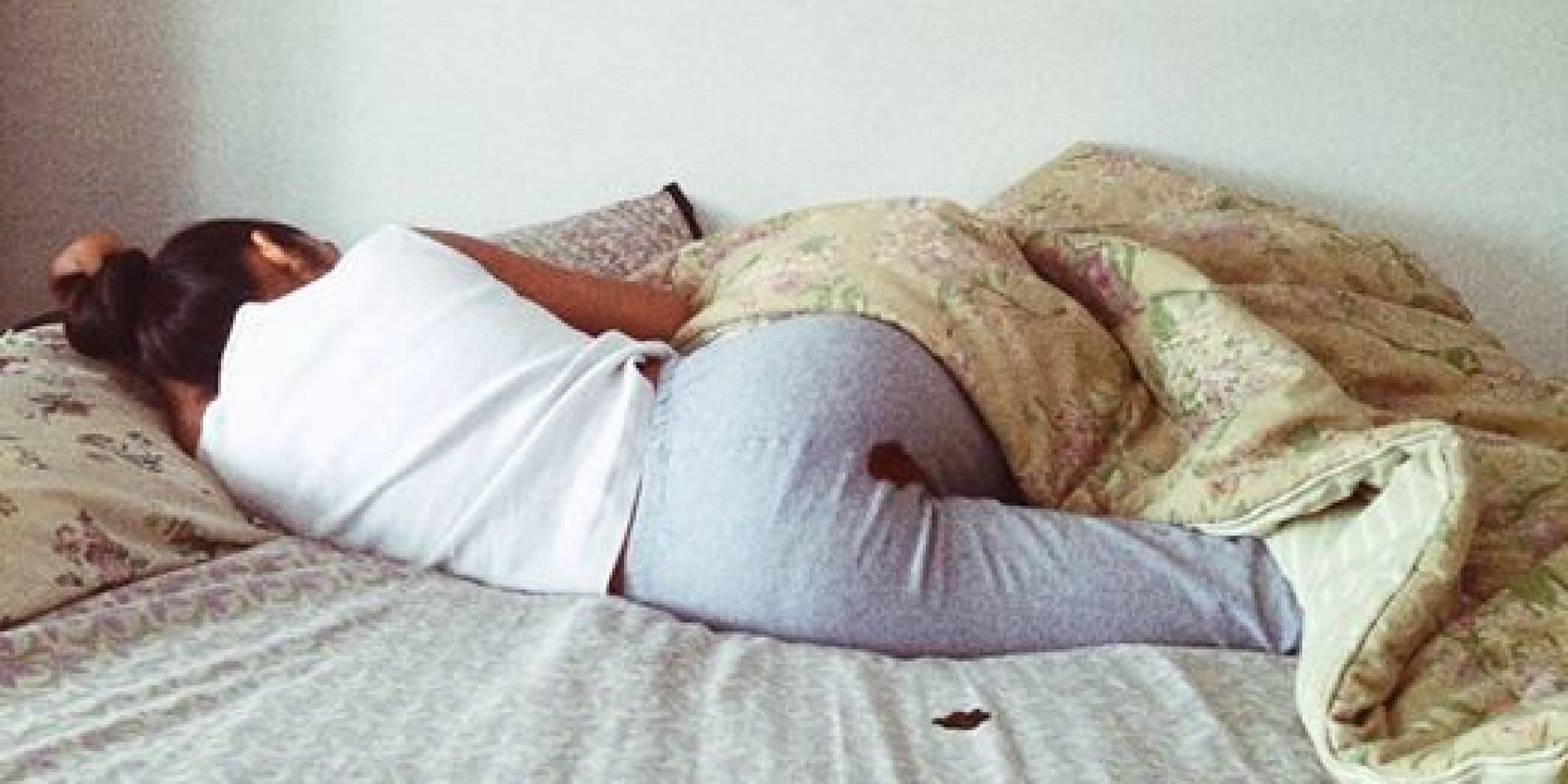
Periods. Otherwise known as menstruation. Otherwise known as the precursor to pregnancy, that time of the month, the curse, the monthlies, shark week, and the list goes on. Yet, with its many names, society seems to forget about this natural way of life. The fact that 49.6% of the world experiences this process at one time or another would make it seem that the conversation surrounding it would be frequent and healthy, but no.
Anyone born with a uterus has heard the first period stories. I remember before I got mine, I heard about my mother’s. She hid her underwear and would sit crying in her room because she didn’t want to tell her parents that she was dying. Think about that for a moment. Albeit, sexual education has progressed since my mother was a teenager, but the lack of information about periods is still very much an issue. I don’t remember any information about periods except a movie in fifth grade titled Just Around the Corner and a brief lesson about it in freshman year. I don’t remember learning what pads to get, if tampons are right for me, how to handle cramps, how to predict/learn about my cycle, and many other questions that I still have today.
Photo Credit: huffingtonpost.com
“Most girls learn about their periods the day their periods start,” says Chandra-Mouli, a member of the World Health Orginization. He describes the all too popular story that usually goes like: “I started having periods at school. Spotting on my clothes. Giggling in class. I didn’t know what was happening. My panties felt wet. My teacher made me wait in the staff room. I thought my insides were rotting. My mother came and wrapped me in a towel, took me home, put me in a bath and said, ‘You’re a woman now. Don’t go out and play with the boys.’”
That lack of education is even worse in many other countries. Periods are seen as a curse; women are shunned from public life and aren’t allowed to cook, clean, or learn. It’s also immensely harder to get proper sanitary items and unhealthy options are almost always used. Did you know that 10% of girls in Africa miss out on school because of their period each month or that 4/5 girls in East Africa lack the access to basic sanitary supplies? Why are we letting these young, impressionable girls internalize these gross views of their bodies? In order to help the ever-growing future, we need to help young women all over the world to feel no shame about their bodies.
I think that the first step to getting rid of social stigma is education. Teach boys how to pick out period products for their sisters/mothers/ girlfriends and how to be supportive to these women in their lives. Teach kids that there are transgender kids who either do or don’t have periods and it kills them on the inside. Show us pad ads where the coverage simulation uses red ink instead of blue. Teach girls how to feel confident on their period and how to handle this intense shift in hormones. Open up this conversation in class or at meals. Yes, it may be uncomfortable, but if it could help one more person not stain their clothes or miss another class, then, in my opinion, it’s worth it.
Halloween is arguably one of the most fun holidays. You can dress up like a banana, a zombie cheerleader, or even a cat. However, a certain kind of costume that is not acceptable, comes around every year. Those costumes fall into a small category: when people adopt the aspects and features of another race or culture as a costume, a joke. Some examples of this are blackface and yellowface where people will literally paint a color onto their skin to make them look like a different race. Halloween is not the proper place to display your racial microaggressions. You may not even be aware of them, most people aren’t. Microaggressions are when you say a racial slur or dress up as another race to make fun of them. Actions like these showcase how unaware our society is to the amount of cultural appropriation we experience on a daily basis. Some may take this as it not being okay to dress up as their favorite movie character of a different race, but that is not the case. Little kids can dress up as Mulan, Pocahontas, and Tiana, because they are doing it out of admiration, not disrespect. It is hard to identify when a costume goes from okay to bad. If you think someone will be offended by your costume then odds are it isn’t appropriate.
In 2012, a group of students at Ohio State University, known as STARS (Students Teaching About Racism in Society), made a series of posters to showcase this problematic Halloween trend. It is a series of six posters each picturing an offensive costume representing a racial stereotype, an actual person representing that racial group, and the same line: “You wear the costume for one night, I wear the stigma for life.”
And this is so true. Coming from a place of privilege, I don’t understand the type of oppression people of color receive on a daily basis; neither do any of the people who dress up as stereotypes of a culture. If you dress up as a racial stereotype, then you most likely don’t know anything about that particular culture’s daily oppression. People who don blackface or dress up as a nerdy Asian never have to live in the skin of people of color. They don’t have to wake up knowing they’ll be judged for the amount of pigment in their skin. Most people dress up as stereotypical racial figures to make fun, not knowing anything about what it’s actually like to be who they’re dressed up as. On November 1st, you can wake up in your safety bubble of skin and go on with life, but the group of people you made fun of the night before will continue to wear the skin and/or identity that you appropriated as a costume.
In an interesting turn of events, Ed Skrein, who was originally set to star in Hellboy, backed out of his role this summer because of his character’s mixed-Asian decent. Now, I’m upset that not enough people are talking about this. Hollywood is known for casting white actors in place for roles that are for people of color. However, Ed Skrein is the only actor, that I’ve heard of at least, that has declined a role because of this reason.
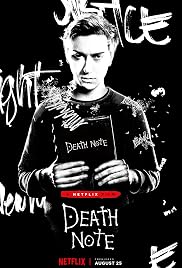
This is big news because of how rare it is. We’ve seen actors and actresses with amazing, prolific careers ignore whitewashing and accept a role that a person of color deserves. Earlier this year, Scarlett Johansson played main character Major Mira Killian, adapted from the Japanese manga series Ghost in the Shell. The movie barely saw any profit, less than 70 million made in its entire box office career. Matt Damon starred in the Great Wall, a movie literally about a white man leading a gigantic Chinese army against monsters attacking the grand fortress. Most recently, Netflix released Death Note, starring Nat Wolff, another adaptation of a popular Japanese manga.
Talking about Death Note for a moment, back in 2015, when Nat Wolff was announced as the film’s lead, Light, there were obviously mixed responses. One came from up and coming actor, Edward Zo, who was denied the opportunity to even audition for the same role. Why? Because he was “too Asian.” Here is his story below:
Something he said really stuck with me. “Hey, your story is really cool. Everything about this story is awesome, except you,” he said, when explaining what whitewashing feels like. What directors are doing is taking away the authenticity of a story. You don’t see white actors playing slaves, it’s not their story to tell. Manga, a style of Japanese comics, is quintessentially Japanese. Not white. What you get are stories that stay with Japanese adults and kids alike. Why take that essential part away in the movie version?
Photo Credit: imdb.com
What I just talked about are just actors stealing roles from Asian, more specifically Japanese, actors. I could show hundreds of examples of Hollywood whitewashing. Some older movies even use blackface and yellowface instead of just hiring people of color. What all these movies have in common nowadays are their social media outcry based on their faulty casting. I hope that Skrein’s decision and the obvious negative effects it has on a movie’s reviews will deter Hollywood from whitewashing in the future.
Fasten your seatbelt, because I’m about to speed into the different theories of one of my favorite tv shows ever, Riverdale.
Riverdale first aired on January 26th, 2017, and immediately after the first episode I was hooked. It didn’t take long to become obsessed with the mystery of who killed Jason Blossom. But while trying to put together the pieces of the puzzle that was his death, we followed many other characters on their crazy journeys through their sophomore year of high school or their parents that, in fact, were the main causes of the most extra drama that existed on this show.
Now I’m going to fast forward to the season 1 finale, and wow… that was a plot twist. While we did figure out Jason Blossom’s murderer was his own flesh and blood, Clifford Blossom, the writers decided to have one of the purest characters in the whole show shot.
FRED ANDREWS!!!!!
WHY???!!! I don’t know, but the ending of the episode had many angry, distraught Riverdale fans desperate to know who would do this to the nicest character in the whole show. Seriously, what has he done wrong? He’s the only parent in the whole show who hasn’t freaking manipulated their kid or messed them up psychologically. He’s supported his son’s music career (and come on, just because Archie is cute, it doesn’t mean we have to pretend his singing is that good). But he still supported him, and yet he’s the one kicked to the curb, and SHOT?! Not okay, writers, not okay.
Now I know there are lots of other mysteries that need to be solved in season 2. Who’s Cheryl’s unexpected love interest? Who’s Betty’s long lost brother? What’s Hiram doing back in Riverdale? Who’s Veronica’s ex, and how is he going to affect Varchie?
But that’s what I’m not here to talk about.
Who shot Fred Andrews? Who would WANT to kill Fred Andrews? Clearly someone had enough beef with him to attempt first degree murder. And how do we know it wasn’t just Mr. Andrews being in the wrong place at the wrong time? Well, no money was taken from the register at Pops, and who would go “rob” a restaurant without taking money? It wasn’t just an accident. It was pre-meditated.
Now onto theories. I’m writing this because I want to know who shot him. I have multiple.
Sheriff Keller. This theory is simple. As I was watching the season 2 premiere, I noticed the sheriff had the exact same eye color as the robber, and it was scary. The same bright, green eyes full of evil!!! If you look closely at the robber’s eyes, and then his, you’ll see it too. Also, it’s not just a coincidence that he sucks at doing his job. How are four sophomores able to solve Jason Blossom’s murder before the sheriff of the town? So far the case is going no where either, but maybe it’s because the guy in charge of the case is the shooter. Coincidence? I think not. Plus, he’s the last person anyone would suspect, and in this show you must always except the unexpected.
Even though the sheriff has the power to cover it all, and the eye color, one thing he doesn’t have is the motive. So, now I’m onto my second suspect, Hiram Lodge. Hiram Lodge’s eyes are brown, so he may have not been the shooter, but he has the motive, and the resources. He has the Southside Serpents working for him, and probably many other people who owe him favors and would do anything to stay on his good side. He also has a motive. Fred was having a fling with Hermione Lodge and he wanted to take over his construction site, what reason did Hiram Lodge have to not kill Fred Andrews?
Now I’ve been focusing only on Fred Andrews, but we all know someone else was killed in the season 2 premiere: Miss Grundy. The teacher we all loathe, but she was killed, and what do Miss Grundy and Fred Andrews have in common? Archie cares about them both. A lot. So, maybe the murderer has been targeting Archie, and everyone he cares about all along.
So, here’s my third and final theory on who could be the green eyed murderer hiding behind a ski mask because he’s too much of a wimp to show himself; Miss Grundy’s ex husband. The guy who scared Grundy so bad that she thought the only way to ever get away alive was by running off and changing her name. Maybe when he found out Archie and Grundy were having an affair together, he wanted revenge. He could be planning to make Archie’s life absolutely miserable by hurting everyone he cared about before taking him out himself at the end of season 2.
Most people that know me can agree that I’m an outspoken feminist. They know that I stand up for women’s rights, try to be politically correct, the list goes on. They know that I love to write or that my favorite color is yellow. They know my face, the way I smile or laugh. To most people, I’m just an average teenage girl. Thank God that’s all I am. What most people don’t know is that this image could completely disappear, tarnished forever in a matter of minutes.
How?
Rape. Already I can sense one of two reactions: fear, a freezing shiver down a spine or bile pushing to the surface, or exasperation, a sigh because this post is going to be one of those posts.
When I think about sexual harassment, I think about the horrifying statistics. One in six girls will be raped in their lives. That means that out of the girls in my grade, at least three of us will get assaulted. One in 33 boys will be assaulted. That’s at least one boy in each grade. Yes, these are just statistics and all, but most of the times that’s all we think about.
Over the summer, I read Louise O’Neill’s Asking For It, a story of a girl named Emma who was gang raped by four boys. At first, Emma is portrayed as self-centered, egotistic, and promiscuous. She is mean to her friends, constantly degrading them.
Photo Credit: cornflakegirlmusings.com
It frustrated me how rude she was, but as the story went on, the rudeness was actually unmasked as something else, self-degradation. Her entire life she was called pretty, fawned on by boys and envied by girls. She was constantly making sure to cover up, but simultaneously show off. Her mother would always tell her to put on a jacket or a longer pants, while her friends surrounded her with shorter and shorter skirts. She internalized something most girls have to.
Nowadays, the Internet is filled with selfies, pool pics, and photoshoots. Sleek hair and tanned, toned legs become a requirement before sending out an image on Instagram and Facebook. Emma’s world was filled with those kinds of pictures. She went to parties just to say she did, trying to keep up this delicate image of a girl who was respectable but still had fun.
However, that image was tattered when she was raped. She showed up to the party in a too-short dress, drank dozens of tequila shots, and tried a drug a boy gave her. Common ingredients in the recipe titled: She was asking for it.
It’s interesting to think that someone could be assaulted and instantly presume it was the victims fault. Even if she was wearing nothing, her body doesn’t become something to claim, to take advantage of. It’s sad that rape becomes so black and white, either the girl did something wrong or the boy made a “childish” mistake. No one ever gets into the nitty gritty. It’s always “She was asking for it” instead of “She was raped.”
Modern society has a fear around the word rape. People want to mask what that word means, mask the disgusting feelings around it. People hide behind anonymous names, jeering at victims, trying to make it less real. If she wanted to, then how can it be bad?
Louise O’Neill and many other have taken a stab at this ever-present issue, trying to raise awareness. I condemn these brave souls, as talking about rape is so taboo. Rape is an international issue, as this book addresses, and is not just some “feminist issue.” Rapists are let out of prison within weeks, while the victims are left with a lifetime of shame and painful memories.
Rape needs to become an outrage. Homicides are treated with heightened media attention, the deceased becoming a saint in the eyes of the public. Where is that same sadness for victims of rape? Yes, they didn’t die, but a part of them was lost when they were raped. Many are left chained to a life of stolen glances and hushed conversations.
It’s hard for people to talk about rape because they’re misinformed or it simply makes them uncomfortable. Personally, I agree. I would like nothing more than to talk about the weather report or to compliment my friend’s shirt, but sometimes I’m left fearing about out of my friends and me, who’s going to get hurt next? That’s why we need to talk about rape culture. We need to make rape not okay, make rapists see the wrong in their actions, as not to encourage repeated offenses. We need to make rape as scary as being killed, so that young girls and boys can go about their lives with one less thing to worry about.





 OVS Journalism Blog
You must be logged in to post a comment.