Home is a loose word, I often find my mind and, in turn, my spirit in other places. Sitting wrapped in a blanket I’ll physically be here or there but, in truth, I’ll be far, far away. Henry David Thoreau once wrote, “At a certain season of our life we are accustomed to consider every spot as the possible site of a house.” House or home or somewhere in between? A trivial question when one is hunting for a place to rest one’s mind.
Photo Credit: hotelroomsearch.net
My tangible home will always be with my family in our small “faerie home,” surrounded by an unruly garden that seems to compete with the urbanity of the asphalt road and the ever shrinking street light (or perhaps I’m the one growing). Home with its boarding of white and blue, with a hand built white picket fence; home with a stylized and cohesive found object collection inside and hand painted walls of a whimsical forest land further from reality than the closest galaxy. Tangible home will be with my dad’s music blasting well above the sound threshold of his earbuds, shuffling in the Paint-Shack. Tangible home will be with my mom, picking up conversations we never started mid-way through a sentence. A home fit for part of my heart and part of my body.
But my true home, home for my mind, my spirit, the rest of my heart and body, that’s much harder to pin down. I’ve lived too many lives, I’ve walked the halls of Hogwarts and thieved the streets of Ketterdam. I have run through the Overlook Hotel and traveled the world in the Leviathan. I am inclined to call all these places my home despite the threat of horror and danger and pulse-stopping fear. But then again, I am just as inclined to call a solitary cottage at the edge of humanity surrounded by piles and piles of mugs and books my home.
When I was much younger I believed home would be among the pyramids and mummies of Egypt, studying a culture older than I could comprehend, dinosaur hunting while bouncing from continent to continent in search of the next great dinosaur find. Now I find myself lost, filled with wanderlust. Do I return to Ketterdam, Hogwarts, Brakebills? Do I follow the dust and jewels and bones of ancient history? Do I find my library tower with an endless supply of tea, coffee, pastry, and more books than I know what to do with? Do I find my corner of a city and people watch for the rest of my time?
Photo Credit: enlighten.pk
Maybe, what I’m getting at is I won’t find one home, there is no way to make that which is plural singular. I’ll always be hunting for the next city to make my heart beat faster and my lungs dance, the next country, the next world, the next universe. My home will be that glimpse of color disappearing around the corner, just slow enough for me to go skidding into the alley and see it go around the next corner. My home will be a sturdy pair of boots, one hell of a scarf, and a bag with an undetectable extension charm. My home will be that trip around the world finding the best food there is and then traveling to the Restaurant at the End of the Universe. Home will be that rare dinosaur in the middle of nowhere. Home will be Nefertiti’s tomb. Home will be finding that portal to Fillory, Hogwarts Ketterdam, Le Cirque des Rêves. Home will be the pens and paints I bring with me; home will be the countless notebooks of dreams, adventures, and future worlds.
Home will be the next great adventure. The never ending circular promise: the next place will be the place, the next place will be home. Part of me will always belong to the first home though, my little blue and white cottage in the forest of pavement and cars, but the rest of me? The rest of me is restless. Home will always be one step ahead of me, patiently waiting for me to catch up, always waiting for me to leave a little more of myself on the path.
I think we can all agree that, for the most part, politics suck.
When I was younger, I think I just sort of fell into agreement with my family’s political views; one, because I didn’t pay any attention to what was happening, and two, because it didn’t matter to me at that point in my life anyway.
Now that I try my best to stay up-to-date with news, I can actually comprehend what it means, and I feel the effects of the things that are going on in the world around me. Now that I can form opinions for myself, they’ve begun to differ from what I grew up with.
For the most part my parents are very open to discussions and they do their best to give me unbiased responses, but some others in my family aren’t so supportive.
I try to stay away from discussing politics with these members of the family, but sometimes things come up unintentionally. For example: tonight at dinner, I began talking about hopes for my future, such as what I want to study and where I want to go to college, possible careers, where I want to travel, etc.
When I mentioned that one day I want to join the Peace Corps they sort of laughed at me. That’s when our conversation took a turn. Instead of discussing my hopes and dreams for my life ahead of me, I was bombarded with questions like, “Why do you want to join the Peace Corps? Why don’t you intern at Wall Street?” and “Don’t you care about money? Well you will once you have to provide for yourself.”
Image via Bubble-Jobs.co.uk
As a result of those responses, I have a message for the family members in question: Since I decided to keep my larger opinions to myself after the dinner incident, here are a few things that I hope you will someday understand.
First and foremost, I am fully aware that for my entire life I have been financially secure and I haven’t had to worry about anything involving money. I know that this is a result of a lifetime of your hard work, and I am incredibly thankful for that.
Although some of our opinions are quite different, I still respect yours; your opinions are valid.
I’m not sorry that my views differ from yours, but I’m sorry that you completely disregard them. It really doesn’t matter to me that you have different values, so long as you don’t tell me that my own are wrong.
While you are probably correct in that a lot of my opinions are somewhat influenced by my peers, that doesn’t mean that I can’t think for myself.
It’s fair for you to be disappointed that I don’t agree with you, but it’s not fair for you to be disappointed in me as a person. The way I vote does not determine who I am, nor does it determine my character.
Half of my relatives just give away their vote and let someone else decide their views for them. Shouldn’t you be happy that I can think for myself? Shouldn’t you be happy that I don’t believe everything I’m told and that I know what is important to me? Shouldn’t you at least be happy that I believe in something?
Please don’t disregard what I say to you. Please don’t blame my opinions on my age. Please don’t brush off my contradictions with “Oh, she’ll come around one of these days.”
Please don’t look at me differently because of what I think. Differences in opinions should be accepted, not criticized. If our minds were all the same, nothing would ever go anywhere.
Diversity, whether it be found in people, in life experience, or in beliefs, is a wonderful thing.
the flowers start wilting,
their petals falling into the dry, crackling dirt.
the resilient weeds start sprouting,
entangling their way around the stems of the dying blooms.
that old rose bush that you prized is now riddled with thorns.
i tried to pluck one,
send you a picture of it,
but my fingers got cut up and started bleeding
and i knew it wasn’t worth the trouble.
the single flower wouldn’t bring you back,
why try so hard to make it bloom again?
why keep it in a vase that glistens during the 3 pm glow of the sun?
why stare at it, remembering the day we planted the damn rose bush?
no, i’ll stick to bandaging up my hand,
ridding it of the metallic red,
dripping down my palm,
almost staining my pants.
i’ll stick to staring out my kitchen window at the garden, once blooming,
now only a couple of rotten, lonesome plants.
One of my favorite things in the world is skincare. Maybe not the most deep or expected of passions but know you know. While I may not have the best skin, I do really love washing and moisturizing my face, plus all the steps in between.
I remember as a kid I never washed my face, or occasionally I snuck some of my mom’s face wash, but that was it. Then when I got older and interested in actually caring for my face, I got whatever I saw show up the most often on drugstore shelves.
The face-wash made my face feel tight enough that someone could play a snare drum solo on my face. Whatever moisturizer I mistakenly picked up was essentially a too strong concentration of salicylic acid (an effective BHA acid in small doses) suspended in a silicone cream; it left my skin sensitive and irritated.
It was a dark time that almost killed any desire I had to take care of my skin.
It was frustrating, what was supposed to help me feel good about myself was instead making me feel like I didn’t even want to try to take care of myself. Instead of feeling relaxed, my skincare was stressing me out, which in turn made my skin freak out.
Photo Credit: Pinterest.com
So I began to actually research skincare. I started with the products that had made me so sad and pinpointed what ingredients didn’t work for me, and ones that could.
I followed obscure internet trails into back alley articles about the difference between moisture and hydration, pressure points to take down face swelling, and that products with pearl powder are known for their brightening properties.
Now, one of my favorite parts of skincare is all the research that goes into learning about different ingredients and their uses. In fact I often become obsessive and go down rabbit holes I didn’t even realize I stumbled into.
For example, did you know that snail mucin, which is exactly what it sounds like, is great for hyper-pigmentation, and that the best way to harvest it, cruelty- free, is to pamper the snails by putting them in a dark room and avoiding stressing them out. It’s like prepping escargot but the snails live in the end.
The more research I’ve done the more quickly I’ve discovered that skincare is an extremely subjective topic; recommendations and “holy grail” items don’t apply to all. While one person could love birch sap another could hate it, plus everyone’s skin is different.
Through all my research I also learned that caring for my skin isn’t about vanity, it is about taking care of myself mentally. It has become a part of maintaining my mental health.
I look forward to it before I go to bed and when I get out of bed in the morning. I use it to decompress at the end of the day or armor up for one. Skincare to me is time I have carved out for introspection and reflection, which helps me feel less anxious and better about myself, inwardly and outwardly.
The memory of you fades more and more each day I grow older.
What I remember is the crashing waves against the sandy coast lines of Malibu.
The wind blowing into my hair from the rolled down windows.
The blinding sun shimmering in my eyes, and I’d squint hoping it’d go away, unaware of how I’d long for the feeling again in the near future.
The bright blue sky in the distance.
The cheeseburgers that somehow always tasted better near the ocean
The laughter in my heart, and my squeaking voice as I’d sing off key to my favorite Abba songs with you and Rachel.
There wasn’t a care in a world during those moments, but they never lasted long anyways.
I remembered the endless nights just as clearly as the endless days.
The hours of screaming. The hours of crying.
The secondhand cigarette smoke and uncleaned bedrooms.
The weekends moving from your place to dad’s.
Child support money being gambled away on lottery tickets, and gas money for late night drives when I’d rather be sleeping.
One day I was pulled out of school early. I said goodbye to my friends, to my crush, and to my teacher, unaware that I’d never see them again.
Unaware that I’d never step into a school building again until fifth grade.
Unaware that I’d never live the life I longed to have until you weren’t there to experience it with me.
I never said goodbye. May 14th you made a promise to get better, but you never kept that promise for me or my sister. You left me, and never came back. Sometimes I see you in the crows that’d never leave me alone, and they’ve always annoyed me, but I’d take their beauty for granted because I never knew what it meant.
I blame you for leaving me. I blame you for worrying about the relationships in your life that constantly broke your fragile heart more than your own daughters who loved you more.
Photo Credit: Tumblr
I hate you for never being the mother I always wanted to have.
I was ten years old. I’ll never have a mother to help do my hair for my senior prom. Instead, you chopped it off to my ears when I was nine, and left a curse on me so it’d never grow back.
You left me.
I’d never have a mom to meet my first boyfriend, to move me into college, to watch me go to law school and take on the world I always craved to explore. I have aunts, but is that really the same?
It’s been six years. All you are to me is a faint memory. A small memory, similar to a memory of passing smoke in the air. The same smoke that’d leave your lips. The same smoke from a habit you never really broke.
But you, my mother, are everything I loved and hated at the same time.
You are the sound of my favorite band, and the warmth I felt when I finally hugged them for the first time. You are the stars in the galaxy; the ones I don’t look at enough, but I know they’re always there. You’re the scent of oceans on a summer day, and the sweetness of my favorite cookies.
But you’re also the sound of terrifying police sirens coming to get me when I know I’m safe in my bed. The vision of snarling fangs glowing from a beast growling under their breath. The thought of betrayal; when those I love most don’t love me back, but you did.
At least I thought you did. You’ve told me so many times, but did I believe you? I always wanted to, but love is such a frightening concept to me that I can’t recognize even when it’s right in front of me. I can’t appreciate it like other people do when they love their own family, boyfriends, or best friends.
You’ve made me into who I am today. You’ve lit the match that sparked the fire in my soul. You made me appreciate music. You made me curious about the world. You gave me happiness in the smallest ways even when we didn’t have much.
But you also ruined me. You isolated me from the world, and when I returned to it I was fearful. It took me so long to learn how to communicate again, how to express myself, and even then I’m not sure if I’ll ever have the same, fiery spirit I had when I was a kid full of happiness and innocence. You made me closed off, and I might never forgive you for it. I can never fully place my trust into someone else’s hands, because it’s already been destroyed by yours.
But I thank you, Mother. You gave me life, though a part of it died with you.
But even then, I’m the happiest I’ve ever been. Do I miss you? No. Do I miss the thought of what you could’ve been? The thought of having a mother to watch me grow up? I miss that everyday.
So, Mom, I hope you’re happy up in Heaven. I never really believed in God, but I know you did, and I hope you’re happy there if that’s where you wished to be. Because after all the pain, the sadness, the tragedies, and heartbreaks you’ve been through, all I wish for you is happiness.
The first blog post I ever wrote was in 2017, titled Suggestions for Personal Growth. So, I think it is fitting that my first post of 2018 be a sequel to that letter.
A follow-up letter to my current and future self.
For some, along with the new year comes a new state of mind. To quote my past self, here are a few suggestions for personal growth as we head into 2018:
Image via IllustrationSource.com
1. Be friends with your friends.
Stop trying to get close to everyone. If you don’t want to be friends with someone, why are you trying so hard to build that relationship? Always be kind to everyone, but it’s just unnecessary to put so much effort into pleasing people who you don’t want to be close with. Keep in mind that you should only want positive and beneficial people in your life, but try to learn from the people who seem negative. In the end, you want people who are going to build you up, not weigh you down.
2. Be present but look forward.
Things that seem so important right now might not matter one bit to you later on (for better or for worse). Make the most of your life as it is currently, but if certain situations seem like they just couldn’t get any worse, remind yourself that you probably won’t even remember it in a few years.
3. Zip it.
Although it sometimes seems like the best thing to do is speak your mind, there is also power in saying nothing at all. If you have something to get off of your chest, go to the people you know you can trust. But otherwise… no drama, no worries!
4. Listen.
This one comes from the first post I did, but I want to reiterate it. Be present, and give the people who are speaking to you the same focus and open-mindedness that you would want in return.
5. Reduce your impact.
YOU ONLY HAVE ONE PLANET! As Auden says, it is too late to “turn away quite leisurely from the disaster.” We can’t pretend that we aren’t killing our planet. All you can do is your best; be mindful. When you buy apples at the grocery store, there is no reason for you to put them in a plastic bag. Keep your showers as short as possible, purchase plastic and/or unnecessary packaging as little as possible. Look for new ways to conserve your resources!
That is all for now, but this list will surely be updated at some point.
Please stop making shows/ movies about mental illness willy-nilly. Coming from a girl with clinical depression and anxiety, your depictions never get it right. I’m a sucker for any entertainment, especially your notoriously binge-worthy shows, but your new affinity for “starting a conversation” and “bringing awareness” to such prominent issues is doing more harm than good.
Photo Credit: hollywoodreporter.com
First, let’s start with the insanely popular 13 Reasons Why, which follows the events that “led up” to junior Hannah Baker’s suicide. Back in May, when I watched the show, I felt disgust whenever it was brought up. I had watched it because I was so excited to see how a major platform, like Netflix, could start a trend of accurate representation of mental illness in the media. To my dismay, this show became another failure. I wrote a lot about this show in a previous blogpost, but I have a few things I forgot to mention. Besides being extremely triggering for those with suicidal ideations and/or depression, the show’s creators forgot to think about the very real consequences of putting out what they did. In the two weeks following the show’s release, searches relating to suicide, such as “how to commit suicide” or “how to kill yourself,” went up over 19%. To put it into different numbers, about 1.5 million more searches were made relating to suicide. Yes, these statistics aren’t exactly the show’s fault, but such a dramatic spike had to have some catalyst. Also, many teenagers and adults started performing “copycat” suicides or suicides that resembled that of Hannah Baker’s. For example, a 23 year old man committed suicide and left behind 13 audio recordings assigning blame to people he knew for their part in his suicide. You can’t possibly tell me that he didn’t have any persuasion from either the book or TV show. Since the show did not follow guidelines from the World Health Association, a very reputable expert of health in my opinion, on how to portray suicide in a healthy, non-triggering way, many people have faced grave fates on the creators’ behalves.
Moving on, Netflix most recently released a show, Atypical, about a senior in high school with autism. I, again, watched the entire season, very quickly I might add. Sam, the main character, navigates the new world of dating, which involves getting his first girlfriend. He and his girlfriend, Paige, have a sweet relationship, but it all ends when he admits his love for his therapist, Julia, in front of her entire family. Writer Matthew Rozsa writes about how grotesque this specific incident is, among the many others of show. “These aren’t classic signs of autism — they’re violent, creepy, cruel and make the autistic character seem like a monster. When the show then shifts gears to make us feel sorry for Sam, the characterization becomes more offensive. Arguing that those with neurological conditions shouldn’t be held accountable for hurting others is as patronizing as it is socially irresponsible,” he said. Sam even says that autistic people don’t lack empathy, which is very true even though many on the spectrum can’t physically or verbally express it, but some of his actions contradict that. The Olive Garden scene is an example of it, Sam, being as high functioning as he is, couldn’t realistically not see his wrongdoings, as shown by his overall awareness throughout other parts of the show.
Photo Credit: collider.com
The show also follows the lives of Sam’s family and how they have to accommodate him. This is one of the only things that is represented fairly and realistically, as an autism diagnosis doesn’t mean that loving, sarcastic, silly dynamics of family go away. However, this notion that autism is an issue that affects everything about a family’s dynamics is very harmful. Although I don’t have anyone in my family with autism or personally have autism myself, I know that living with this disability is tough. Not only is it hard to function in the world, the stigma that comes along with it is also extremely hard. That’s something this show forgets about. In trying to make an accurate representation of autism, the creators forget to get to the true depths of the disability. While writing this post, I had a long conversation with one of my friends about the show. While she doesn’t have autism herself, some of her family does. What the show misses is the fact that autism has a huge toll on the families it affects, but also the person. Actor Mickey Rowe tells of the gross misrepresentation of this notion. “Sam is a high school senior at a regular school, and he doesn’t use an assistant or paraeducator, so he’s largely independent. Yet his parents seem to hint that they haven’t been able to go on a date since he was born, implying that they’ve sacrificed their own lives to help him through his. What’s more, they talk about Sam as if they don’t have anything in common with him and at times appear to present their son’s autism as a tragedy,” he said. The show lacks the rough toll autism has on the individual, even though there are plenty of first-person accounts they could’ve included in it.
The show claims Sam is high-functioning, but his symptoms are all over the place. In a series of interviews with autistic viewers of Atypical done by The Mighty, Lamar Hardwick, who is on the spectrum himself, explains this perfectly. “There were parts of the episode where I felt some autistic traits Gilchrist [Sam’s actor] displayed were a bit too overstated. While the actor did a pretty good job overall, issues such as lack of eye contact and taking things literally started to feel like a caricature of autism. I’m not sure that an autistic person would always see themselves in that light,” he said. Although the show means well, it makes autism into an anecdote, focusing on common symptoms, to provide a goofy portrayal of Sam’s autism.
You’re left with a character who is kind of a jerk and has an overly-dramatic version of what autism really is. It’s even worse when you see how his family’s characters are much more developed and multi-faceted than his. Possibly the biggest fluke in this show is that none of the creators have autism or a family member with it. Instead, the screenwriter and executive producer, Robia Rashid, “had to do a lot of research.” Research doesn’t always lead to accurate findings, though. Sadly, this show missed the mark about how real autism really is.
Photo Credit: ew.com
Now, I may be coming off as extremely negative, but there is one show (well, movie actually) that I wanted to finish my letter with. That would be To The Bone. Again, this movie doesn’t get the eating disorder Anorexia Nervosa 100% correct. The main character, played by Lily Collins, is a young, privileged, white, and skinny girl who has divorced parents and extreme family issues. This movie had the opportunity to showcase a fat, unprivileged grown man or a person of color with the same disease to show that it doesn’t just affect those that look like Ellen, Lily Collin’s character. As far as eating disorders go, anorexia is very prominent in the media. There are so many movies and books talking about this disease. What I liked about this movie, especially compared to 13 Reasons Why and Atypical, is that the director and the main actress both have had anorexia. An article from Variety magazine describes Marti Noxon’s, the director, accurate portrayal of the disease as, “ [not an] especially pleasant movie to watch, but it is one that just might save a few lives.” What you get when you watch To The Bone isn’t some linear progression to recovery, but an extremely up-and-down diegesis that ultimately shows that recovery, something that is desperately needed when dealing with an eating disorder, is worth it in the end.
One thing I like to mention before I finish, can you tell me one thing these characters have in common? I hinted at it in the last paragraph. Still guessing? They’re all white! Not only is the media containing a complete lack of representation of mental illness, gender, sexuality, and people of color, but you never see a culmination between any of these themes. GLAAD does a very well-rounded data analysis of misrepresentation in media overall and I recommend you check it out. Netflix had a wonderful opportunity to create shows with directors and actors with these disabilites/diseases. They have all different kinds of actors willing to be a part of any media they create and while I applaud Netflix for their overall diversity, they still missed the mark when it came to these shows. The only people of color I remember in these shows are Ross Butler’s character in 13 Reasons Why and a fellow member in Ellen’s inpatient facility who happens to be black. The representation of these characters would’ve done way better in terms of conversation if they changed the way society traditionally sees these challenges. Make Hannah Baker a lesbian, Asian girl who has unforgiving parents. Make Sam black and underprivileged, not having the ability to hug his older sister. Make Ellen/ Eli an adopted, obese girl whose family couldn’t see her illness because they weren’t educated. Create new conversation by adding in REPRESENTATION. Youtuber Annie Elainey puts this into perspective perfectly.
I finish with a plead. While these movies and shows are indeed raising awareness, they have to deal with their subject matter delicately. Mental illnesses, eating disorders, and other disabilities affect too many people to be taken so lightly. What all these people need is a positive, accurate depiction of their lives. They don’t need uneducated producers and directors making stories that they can’t connect with. I love that Netflix is trying to help, but I suggest, like what To The Bone did, that the creators of these shows know what their subject matter is like. Research and conversations don’t even compare to those living with it. No amount of paper can match the grief of another hospital visit. In order to create something with truth, real experiences need to be showcased.
Growing up, I was never good at sports, or at least that’s what I thought. It’s not that I had a pronounced lack of capability, just that I never thought I should be able to take sports seriously.
In my family, one of the most prevalent themes is our insane dedication to sports. Having an uncle in the MLB, a dad who can play or coach practically anything, cousins who dedicate their entire young lives to a single sport, and brothers who have athletic superpowers, it’s a given that everyone puts tremendous pride on everything sport-related.
From soccer to basketball, football to baseball and everything in between, anything my brothers played seemed to come so naturally and effortlessly. They were practically carbon copies of my dad when he was their age. Being the youngest of three, I’ve had the thrilling experience of going to endless games, practices, and races – all displaying my siblings’ somewhat unfair skills.
So of course, as a toddler my parents enrolled me in AYSO and Little League, probably expecting to have produced yet another super-human athlete. Year after year, I humored my parents and played on whatever teams I was signed up for. But year after year, I was never interested. Maybe I might have been a little less coordinated than the average kid, but I’m pretty sure I just never wanted or tried to be good.
When I was old enough to be able to decide for myself, I avoided sports all together. Instead, I opted for a more intellectual path. In elementary school it started to become clear that I was sort of smart and sort of good at music, so that’s where everybody focused their attention.
For so long I’d heard the lighthearted remarks of “she’s just so book smart. Her street smarts, though, they’re a little lacking” or once when I unsuccessfully tried to serve a volleyball a friend joked that I “bring shame to my family’s legacy.” Whenever I attempted to learn something everyone laughed. So, eventually, I laughed about it too. I guess in a way that’s a good thing, because I learned the importance of being able to laugh at myself.
I never took sports seriously because no one ever took me seriously when I tried them. I’m not resentful of all of these years, I’m just disappointed that I’ve been labeled as “un-athletic” for my entire life when, for the majority of it, I’d never had the chance to figure out that I wasn’t.
For awhile I felt bad for my dad. I worried that I had somehow let him down not having a profound interest or ability in sports. In middle school I tried out for the soccer team. It was mostly because my friends were doing it, but part of me wanted to give myself a second chance.
Although the start was pretty rocky, eventually I realized that it was sort of fun. I wasn’t ever the best player on the team, but I also was definitely not the worst. I remember my dad telling me once after a winning game, “You’re getting to be a good soccer player, I’m impressed.” I remember being proud of my performance in that game, but also I was also proud that for the first time ever I had been recognized for my ability in a sport.
When I got into high school, I actually looked forward to the end of the day when I could leave everything behind for a few hours and just kick a ball around with my teammates. But it wasn’t until recently that I realized I have the potential to be really good at a sport. During the fall of my freshman year, I decided to join cross country. I really liked the experience, and I liked how I’d gotten in shape, but I was never exceedingly fast or impressive that season.
But this year, I worked a lot harder. I’d started running so much better than I had last season. At each progressive meet, I would cut a considerable amount off my time and at the league final, that work payed off. It was by far my best race ever, and everyone on our team beat their personal records.
This Saturday, we went to CIF preliminaries. I never thought I’d be able to say that.
Cross country has helped me realize that I’m stronger than I knew I could be, physically and mentally. I still have a long way to go, but now I have goals that I can look forward to. And I know with time and dedication I can reach them.
It maybe took me fifteen years to realize it, but after all this time I know that I’m not really all that uncoordinated or un-athletic. I just wish I wouldn’t have put myself in that box so early on. I wish wouldn’t have gone my whole life believing that I was only “book smart” and putting up with all of the “maybe you should just stick to singing” comments.
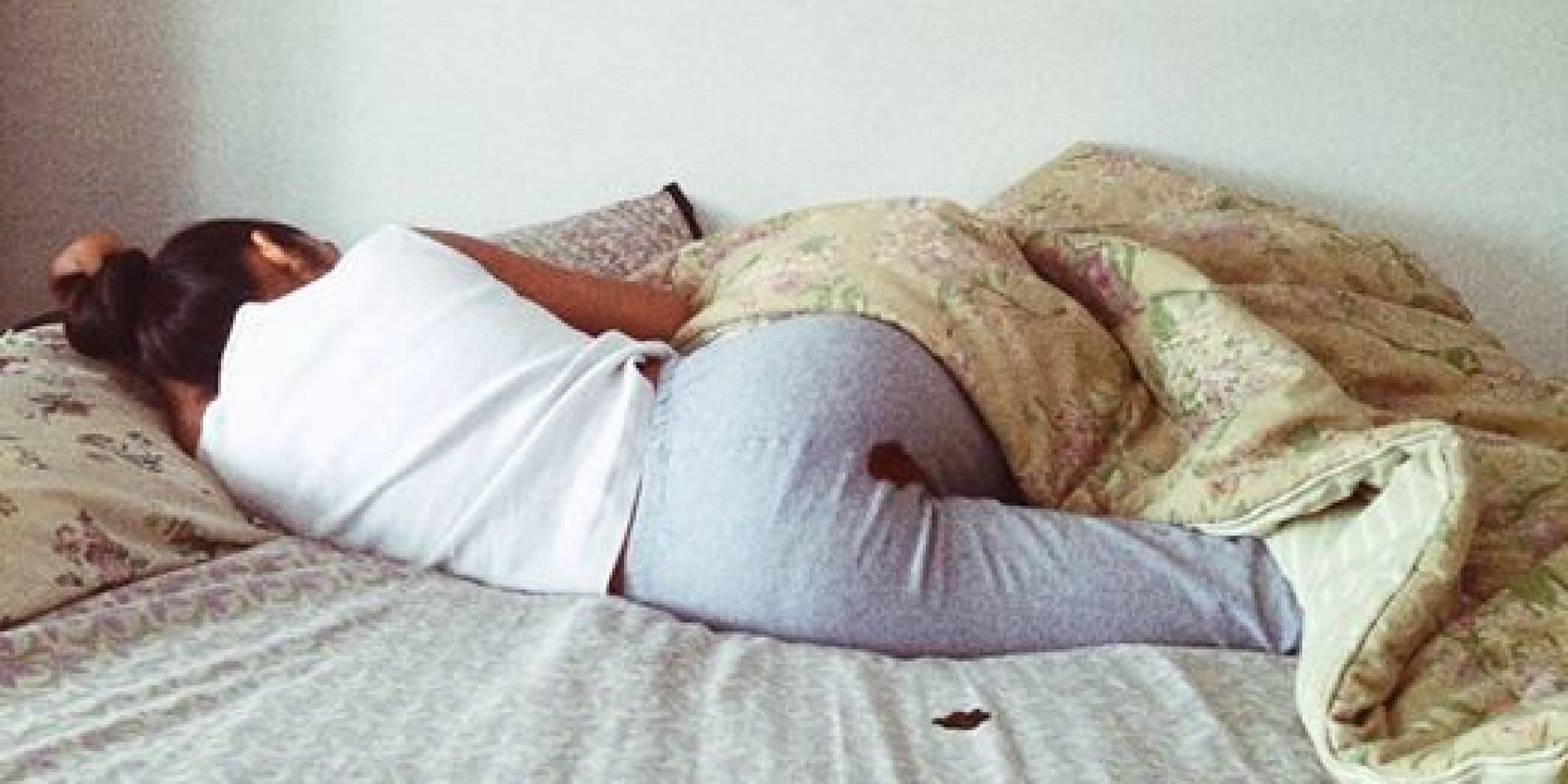
Periods. Otherwise known as menstruation. Otherwise known as the precursor to pregnancy, that time of the month, the curse, the monthlies, shark week, and the list goes on. Yet, with its many names, society seems to forget about this natural way of life. The fact that 49.6% of the world experiences this process at one time or another would make it seem that the conversation surrounding it would be frequent and healthy, but no.
Anyone born with a uterus has heard the first period stories. I remember before I got mine, I heard about my mother’s. She hid her underwear and would sit crying in her room because she didn’t want to tell her parents that she was dying. Think about that for a moment. Albeit, sexual education has progressed since my mother was a teenager, but the lack of information about periods is still very much an issue. I don’t remember any information about periods except a movie in fifth grade titled Just Around the Corner and a brief lesson about it in freshman year. I don’t remember learning what pads to get, if tampons are right for me, how to handle cramps, how to predict/learn about my cycle, and many other questions that I still have today.
Photo Credit: huffingtonpost.com
“Most girls learn about their periods the day their periods start,” says Chandra-Mouli, a member of the World Health Orginization. He describes the all too popular story that usually goes like: “I started having periods at school. Spotting on my clothes. Giggling in class. I didn’t know what was happening. My panties felt wet. My teacher made me wait in the staff room. I thought my insides were rotting. My mother came and wrapped me in a towel, took me home, put me in a bath and said, ‘You’re a woman now. Don’t go out and play with the boys.’”
That lack of education is even worse in many other countries. Periods are seen as a curse; women are shunned from public life and aren’t allowed to cook, clean, or learn. It’s also immensely harder to get proper sanitary items and unhealthy options are almost always used. Did you know that 10% of girls in Africa miss out on school because of their period each month or that 4/5 girls in East Africa lack the access to basic sanitary supplies? Why are we letting these young, impressionable girls internalize these gross views of their bodies? In order to help the ever-growing future, we need to help young women all over the world to feel no shame about their bodies.
I think that the first step to getting rid of social stigma is education. Teach boys how to pick out period products for their sisters/mothers/ girlfriends and how to be supportive to these women in their lives. Teach kids that there are transgender kids who either do or don’t have periods and it kills them on the inside. Show us pad ads where the coverage simulation uses red ink instead of blue. Teach girls how to feel confident on their period and how to handle this intense shift in hormones. Open up this conversation in class or at meals. Yes, it may be uncomfortable, but if it could help one more person not stain their clothes or miss another class, then, in my opinion, it’s worth it.


 OVS Journalism Blog
You must be logged in to post a comment.