While Wake Up Dead Man is undoubtedly the weakest film among the Knives Out trilogy, it is still an extremely enjoyable viewing experience.
The presentation and cast are the best they’ve been in the trilogy so far, with Daniel Craig and Josh O’Connor in particular having passion, charisma, and chemistry that radiates throughout their delightful interactions.
Another aspect of the film I appreciated is its approach to religion as a primary theme. Despite Christianity being deeply rooted within the narrative’s events and messages, the film doesn’t enforce one singular outlook on religion. Characters—primarily Wicks, Jud, and Blanc—parallel different responses and interpretations of Christian values, providing nuance and ambiguity where most other religious stories would impose a clearer, black-and-white answer. Wicks uses religion to justify self-serving actions, weaponizing it as a means of harvesting power and manipulating his followers to his will. Jud wants nothing more than to spread the healing and love of Christ, serving the world instead of fighting it. And Blanc represents absolute neutrality, acknowledging how faith can be a source of healing while resenting the religion’s historical abuse and hypocrisy.
However, the narrative’s ending and twist reveal is what ultimately brings this film down from its predecessors. While the killer’s motivation—on paper—makes sense, their plan relies on so much suspension of disbelief and convoluted coincidences that the mystery becomes impossible to deduce for viewers. In an attempt to make the murders seemingly unsolvable, the film sacrifices a narrative that makes sense as well as opportunities to incorporate clever foreshadowing throughout its runtime.
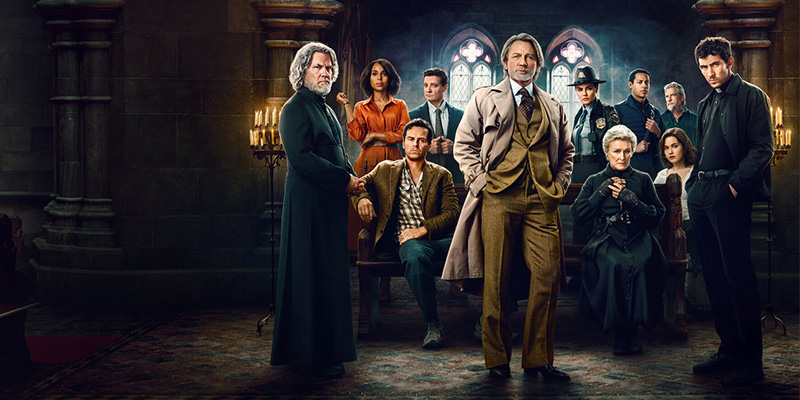
PC: Google
 OVS Journalism Blog