Film Review — Wake Up Dead Man

While Wake Up Dead Man is undoubtedly the weakest film among the Knives Out trilogy, it is still an extremely enjoyable viewing experience.

The presentation and cast are the best they’ve been in the trilogy so far, with Daniel Craig and Josh O’Connor in particular having passion, charisma, and chemistry that radiates throughout their delightful interactions.

Another aspect of the film I appreciated is its approach to religion as a primary theme. Despite Christianity being deeply rooted within the narrative’s events and messages, the film doesn’t enforce one singular outlook on religion. Characters—primarily Wicks, Jud, and Blanc—parallel different responses and interpretations of Christian values, providing nuance and ambiguity where most other religious stories would impose a clearer, black-and-white answer. Wicks uses religion to justify self-serving actions, weaponizing it as a means of harvesting power and manipulating his followers to his will. Jud wants nothing more than to spread the healing and love of Christ, serving the world instead of fighting it. And Blanc represents absolute neutrality, acknowledging how faith can be a source of healing while resenting the religion’s historical abuse and hypocrisy.

However, the narrative’s ending and twist reveal is what ultimately brings this film down from its predecessors. While the killer’s motivation—on paper—makes sense, their plan relies on so much suspension of disbelief and convoluted coincidences that the mystery becomes impossible to deduce for viewers. In an attempt to make the murders seemingly unsolvable, the film sacrifices a narrative that makes sense as well as opportunities to incorporate clever foreshadowing throughout its runtime.
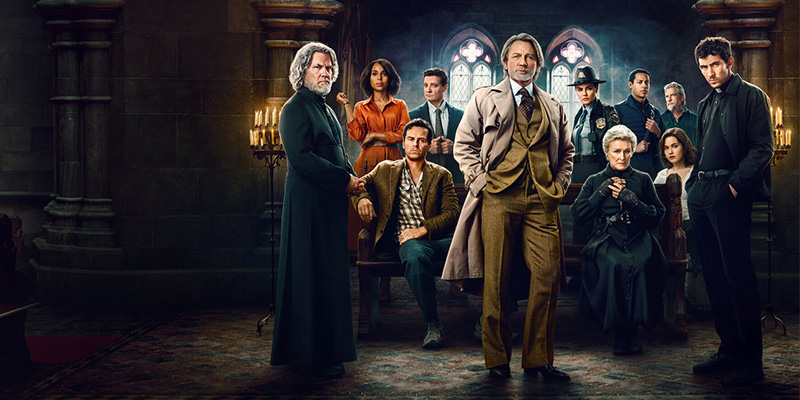
Wake Up Dead Man Knows the Whodunnit is Inherently Political. (It's also a  Perfect Movie.) ‹ CrimeReads

PC: Google

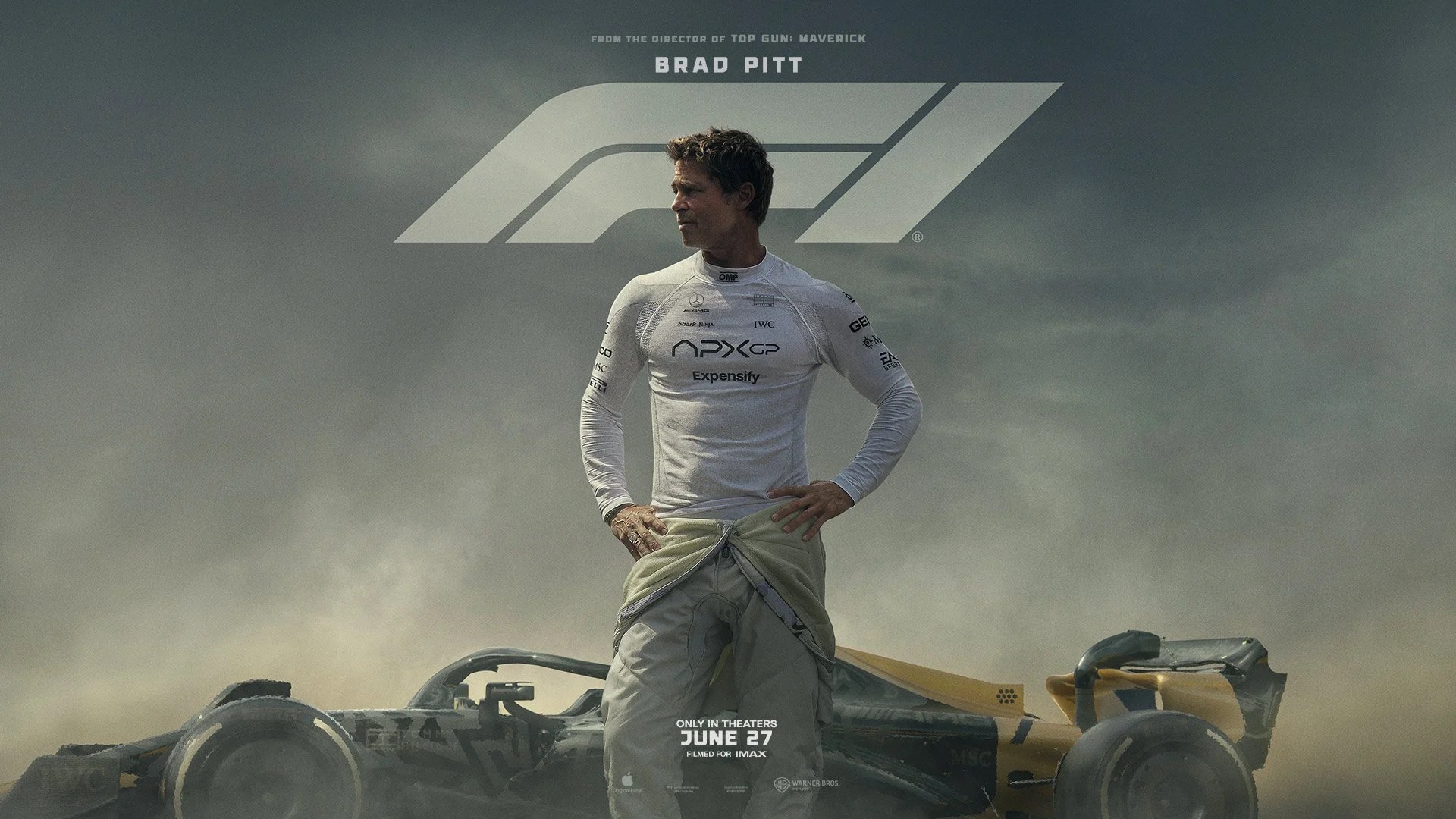
Film Review — F1

On paper, F1 is a very standard and generic sports story filled with familiar narrative and character cliches. An old, grumpy veteran reluctantly working with a younger, cocky rookie, eventually growing to appreciate the people around him and rediscovering his love for a sport, is not groundbreaking storytelling for the sports genre. And yet, the cast and presentation elevate the viewing experience beyond this basic premise.

Brad Pitt and Damson Idris have such magnetic and charismatic chemistry that made their seemingly cliché dynamic a delight to watch unfold. Their acting and rapport were certainly a primary factor that contributed to the film’s enjoyability.

Furthermore, all audio and visual aspects of the film are breathtaking, amplifying the intensity and excitement of the racing sequences to their utmost limit. The cinematography and directing were particularly miraculous, leaving me questioning how they were able to pull off what they did with the camera.

However, my biggest issue is the romance subplot between Sonny and Kate. Much like Top Gun Maverick—another film directed by Joseph Kosinski—scenes that serve to explore the protagonist’s relationship with their love interest ultimately drag out the viewing experience without contributing much to the rest of the narrative. The bloated 2-hour 35-minute runtime could definitely be condensed if these scenes were reduced or even removed entirely.

Despite its flaws, F1 holds a special place in my heart. The movie came out during a time in my life when I, too, was questioning the worth of a sport that was once so important to me. I believe that this film played a significant role in restoring my fleeting passion for this sport. The “flying” scene and “it’s not about the money” quote stick out to me in particular; sometimes, we are drawn by a purpose beyond mere winning or recognition.

Five things we learned watching the first official F1 movie trailer | Top  Gear

PC: Google

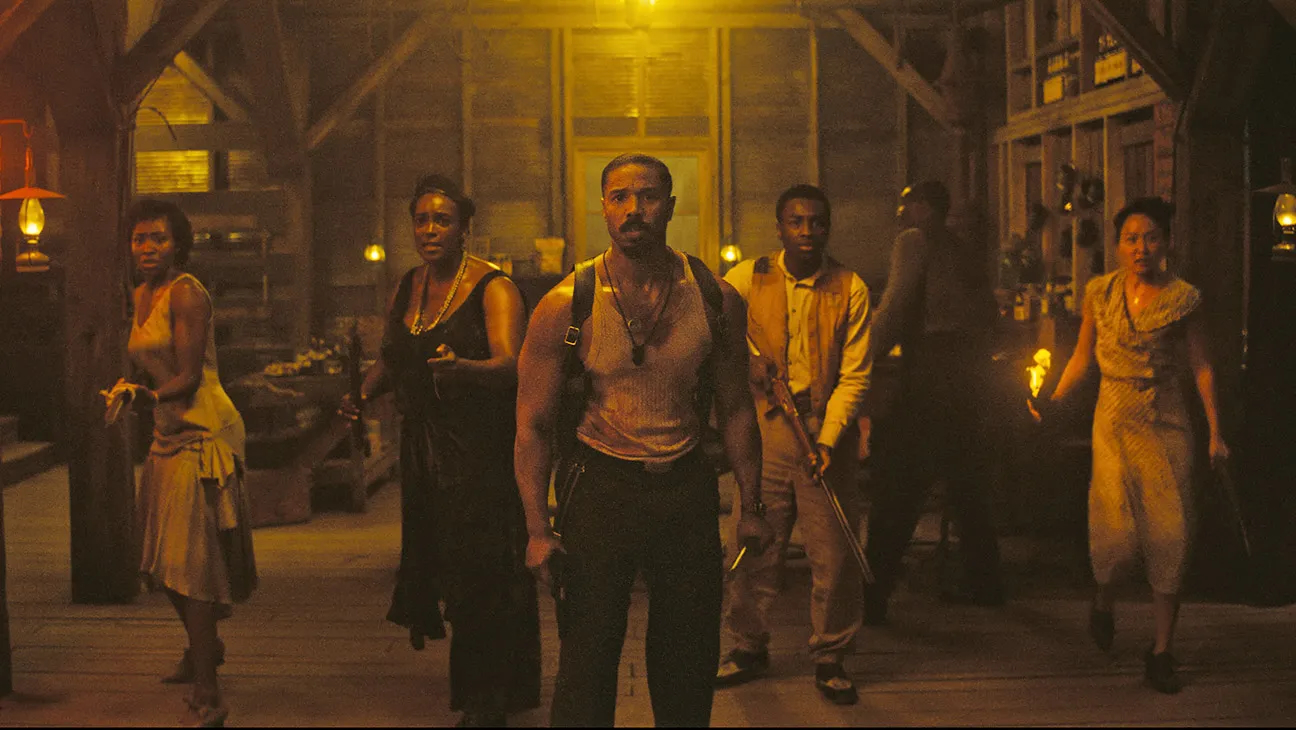
Film Analysis — Sinners

Surrounding the subject matter of the 2026 Academy Awards, Ryan Coogler’s Sinners seems to be the primary topic of discussion. The movie set the all-time record for the most Oscar nominations presented to a single film, earning a total of 16 nominations. From merely hearing the film’s premise, I couldn’t imagine it warranting the praise it seemed to be receiving. But after seeing the film for myself, it was clear that the film held a significant amount of subtext beneath its seemingly simple exterior.

On paper, the film seems to be a generic and straightforward musical horror thriller featuring vampires. But my favorite aspect of the movie is how it takes its seemingly simple premise to convey a complex, layered story featuring historical and political subtext. The film could’ve so easily had the threat of vampires serve as a metaphor for racism. But instead, Coogler explores more nuanced themes through its premise; the vampires represent assimilation under one unified group and hive-mind. Their ultimate goal to corrupt Sammie for his extraordinary musical talent mirrors the exploitation and cultural appropriation of Black culture, with music being incorporated to further reinforce the juxtaposed themes of individualism versus unification; while the music in the juke joint is composed of various instruments and voices layered on top one of another, the music from the vampires seem very coreographed, rehearsed, and in sync, once again highlighting their desire to assimilate and strip cultures of their originality.

The Deeper Meaning of the Blues Music in 'Sinners,' Explained | Marie Claire

PC: Google

Film Analysis: Glass Onion – The Art of Hiding in Plain Sight

Most viewers, when consuming a piece of murder mystery media, expect layered complexity; they take into account every character’s dialogue, attributes, and motives in hopes of uncovering the buried answers. Glass Onion: A Knives Out Mystery director Rian Johnson—fully aware of this standard approach to mystery stories—flips the murder mystery genre on its head by featuring conspicuous clues and foreshadowing so straightforward that the audience disregards it as extraneous.

Johnson incorporates seemingly standard yet meticulously intentional staging and direction to explicitly reveal how the film’s murders were committed, well before it is verbally revealed much later. The most striking example is during the film’s first on-screen murder, with Miles handing Duke his own glass. Miles urges his friends to look at Birdie’s extravagant dress spin while simultaneously giving Duke his glass. The shot features Birdie’s dress blurred in the foreground, while Miles and Duke are in focus in the background. While the act is quick, Miles’s deliberate murder of Duke is blatantly displayed. But due to Miles calling attention to the colorful dress, viewers are drawn away from the switching of glasses behind her. Furthermore, when Duke’s phone and gun go missing, Johnson ensures that the film’s cinematography and editing present Miles being in possession of both, without explicitly calling attention to it. In the scenes following Duke’s death, his phone can briefly be seen—in short cuts—in Miles’s back pocket. Moreover, when Miles runs away looking for Andi, he runs unnaturally and clumsily, always keeping at least one hand out of sight, implying he is holding Duke’s gun. These intentional visual cues demonstrate how the truth is often directly embedded in the film’s directing and framework, but always eclipsed by Johnson’s carefully orchestrated spectacles and misdirections.

Sakura Kage — Miles' Glass

PC: Google

Film Review: Everything Everywhere All At Once

Everything Everywhere All At Once is a film that, on paper, by all means, should not work; its story is convoluted with so much happening, with elements taken from various conflicting genres such as action, comedy, drama, romance, absurdist fiction, and science fiction.

And yet, it is one of the most expertly crafted and passion-filled films I’ve ever seen.

While the movie is crammed with so many genres, themes, and unconventional ideas, it somehow manages to excel at everything it tries. Its generic action movie premise centered around the multiverse—a concept that has been overused and grown stale in modern media—is harnessed to enhance its narrative and its themes, rather than serving as a simple gimmick; the multiverse is presented as a parallel to the overwhelming abundance of possibilities and choices in modern life.

Within infinite possibilities, there is so much to be envious, confused, and disappointed in. The choices we made or didn’t make may have driven us away from a more successful or happy life. And yet, this mindset of trying to find meaning in everyday life by chasing extraordinary achievements is what often blinds us from appreciating what we already have.

Without explicit spoilers, the film ties together all its characters and plot lines in service of conveying the theme of cherishing the seemingly insignificant gifts we have, instead of trying to find meaning in a meaningless world.

Everything Everywhere All At Once - Evelyn chases Joy

Picture Credit: Google

Movie/Show Recommendations

In no particular order, here are some movies and shows I watched, loved, and would highly recommend. Some of them I grew up with and others I’ve seen in the past year, some of them are basic, and others maybe not so much.

The Queen’s Gambit, The Matrix, Breakfast at Tiffany’s, Stand By Me, The Notebook, Mamma Mia (the original), 13 Going on 30, Gilmore Girls, Where the Crawdads Sing, The Sound of Music, How to Lose a Guy in 10 days, 10 Things I Hate About You, Amélie, Goodwill Hunting, Clueless, Scream, When Harry Met Sally, Miss Congeniality, Dirty Dancing, Forrest Gump, The Shining, Friends, Steel Magnolias, Stranger Things, Star Wars, The Florida Project, Moonrise Kingdom, The French Dispatch, The Grand Budapest Hotel, The End of the F***ing World, The Edge of 17, Les Miserables, The Karate Kid (the original), 500 Days of Summer, It’s a Wonderful Life, Psycho, The Fugitive, Pretty Woman, and Only Murders in the Building.

And here’s a short version of my to-watch list:

Roma, Léon (The Professional), and The Great Gatsby.

^ Amélie, PC: https://i.pinimg.com/564x/a9/80/e6/a980e62330f654ae1133ee9bf2b0bc6f.jpg

Stories

I love stories. I always have. I love people, movies, TV shows, songs, artworks, and especially works of literature that tell good stories.

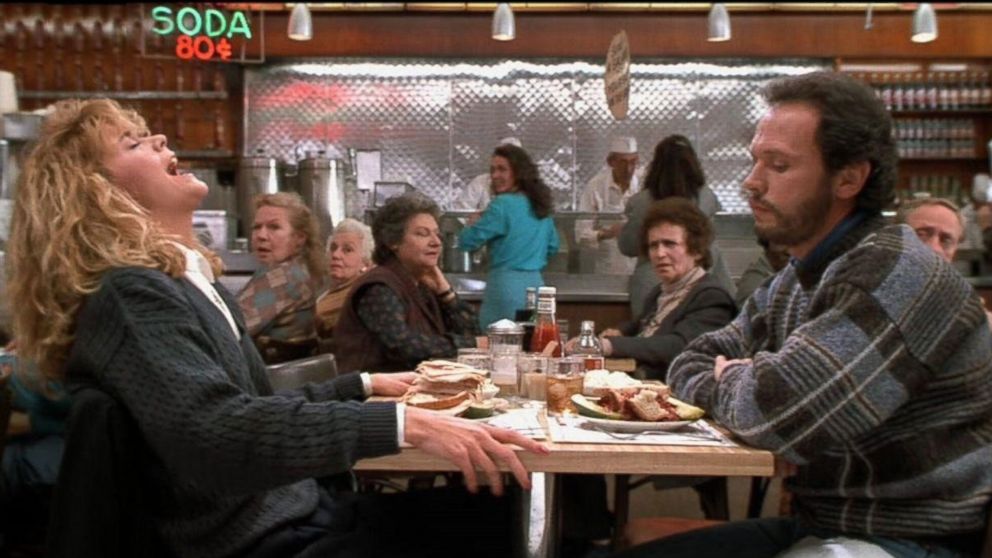
In my early years, my favorite stories were The Hungry Caterpillar and The 12 Dancing Princesses (the book, not the movie). As a child, my favorite stories were Scooby-Doo and the bridge in “Shake It Off”. In middle school, I fell in love with the stories my English teacher told about his students in the Oakland ghetto and New York Times articles. Now, I find solace in the poetry of Rupi Kaur and the film, When Harry Met Sally (which is, in my opinion, one of the best rom-coms ever made). These are just a few of hundreds, maybe thousands, of stories I have encountered and retained over my 16 years.

PC: https://s.abcnews.com/images/Entertainment/ht_meg_ryan_billy_crystal_when_harry_met_sally_jc_140711_16x9_992.jpg

What makes a story good, I wonder. I would like to say it’s all about how it is told – the language, imagery, etc – but I actually think that is not always the case. Sometimes, poor acting, an unimpressive screenplay, or a bad melody are of no importance if the storyline itself strongly resonates with me. I don’t mean to say that a mediocre story can’t be told in a way that turns it into something incredible. What I mean is that an incredible story cannot (easily) be turned into something mediocre.

I’ll give you an example. The Old Man and the Sea, by Ernest Hemmingway, has an incredibly simple premise: a Cuban fisherman in his attempt to catch a giant marlin. And yet, it is so effectively written and constructed that we remember this book as one of the great pieces of literature. On the other side of the spectrum, the Harry Potter movies, in which (let’s be honest) the children actors hardly live up to their roles, have still seen unprecedented success. Why? Because J.K. Rowling’s phenomenal story trumps any criticism.

Her Made me Feel Empty

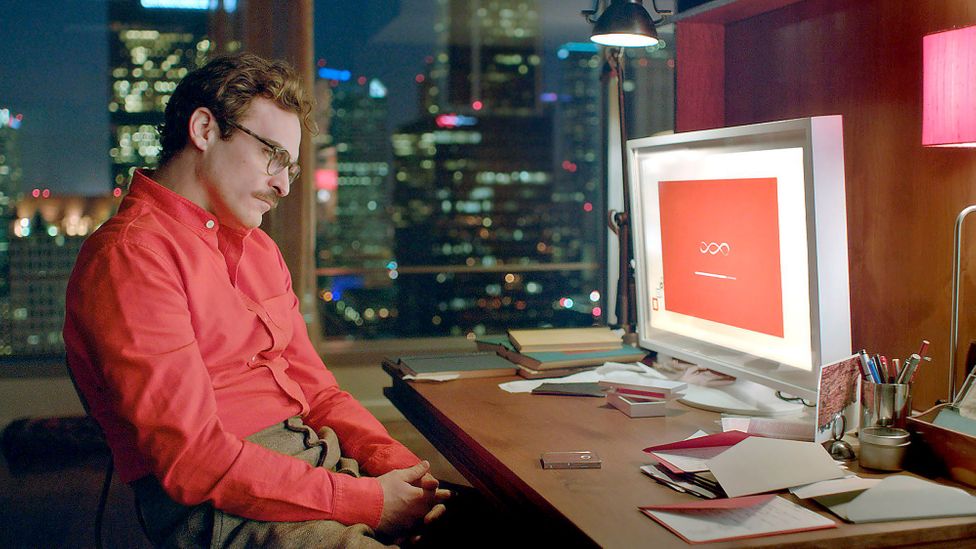
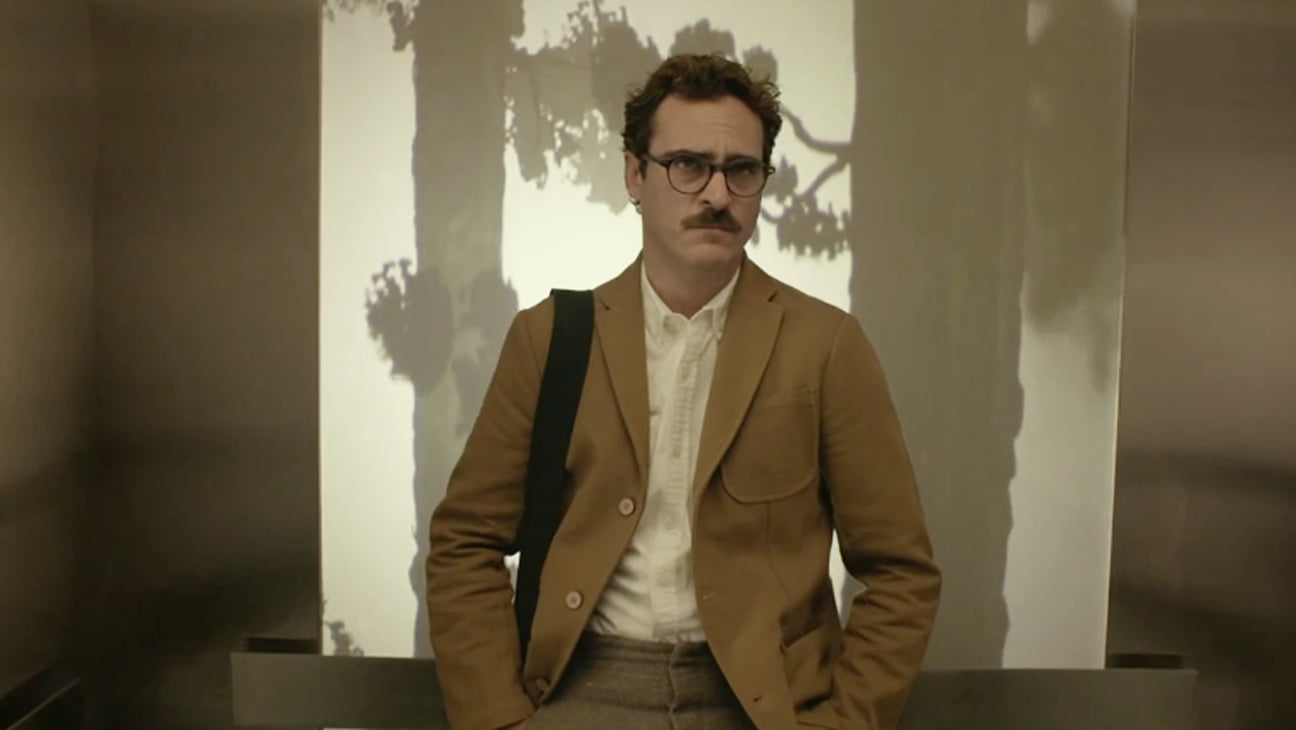
On Wednesday, I had to go through the lovely experience of an almost 20-hour travel day to get back from Barcelona to LA. On the long flight from Frankfurt, I did something quite out of character. Instead of just taking Melatonin and crashing for the whole flight, I only crashed for half and decided to watch a movie to pass the rest of the time. The movie I decided to watch was a movie called Her which I had heard was one of the best-made movies in the 2010s.

Going into this movie I was pretty much expecting a two-hour-long Black Mirror episode with some pretty creepy undertones. Although I was only half right, I was not prepared for what I was about to experience. First of all, watching such a movie with the very heightened emotions that come with flying is not the best idea. Second of all, this movie is one of those Black Mirror-Esque experiences that could actually happen in my lifetime. Which is always an extremely off-putting experience. Before I get into how depressed this movie made me I just want to appraise this movie for how well made it is. Not only does it work with color imagery and contrast so well, but every character is so good and so well acted out it’s almost surreal. The way this movie deals with the depression of separating from a partner, the awkwardness of a new relationship, and even a human falling in love with a brand new Artificial Intelligence experience is genius. Every emotion conveyed in this movie is so real, it makes you want to close down your heart and never open yourself up to human emotion ever again.

Photo Credit: BBC

To someone who’s never watched this movie, it’s probably pretty weird to think that a movie about a man falling in love with a computer could provoke any real emotions, but it does. It really does. Honestly, this movie made me feel more empty than Your Lie in April, The Joker, and Dead Poets Society combined. I mean this movie made me feel like a hollow husk of a human being. It’s actually insane to me that the makers of this film even pulled it off. Her is one of those movies that was drastically ahead of its time. For being made in 2013, it could have easily made a similar if not bigger impact if it were released today.

Photo Credit: Rescu

What’s Rule #1

WARNING MAJOR FIGHT CLUB SPOILERS

A few nights ago I decided to watch Fight Club. For a while, I had put watching Fight Club off because of all the hype, I had heard a lot about it and I didn’t really understand why there was so much fuss over a movie about people who fight each other. However, whilst watching a Netflix Special about cliches in movies, and the bomb scene from Fight Club was featured. I was a little confused having scene that since I couldn’t really connect people fighting with a bomb scene that looked like it was from Mission Impossible, but I was intrigued.

The movie begins with a slow burn. The first few scenes just introduce the main character, he’s really nothing special just a slightly nerdy white guy with mundane life and a mundane job. So mundane in fact that he begins to develop a major insomnia problem. As it gets worse, he begins to attend various support groups as it helps him cry and therefore actually get some sleep. At this point, I’m thinking to myself How the hell does this turn into a bunch of guys fighting. When his support group sessions get invaded by another faker, he quits. Instead, he takes up random one-time interactions on the plane as a form of therapy. On one of these flights, he meets Tyler, a young, attractive, charismatic, and interesting guy who makes soap for a living.

Although Tyler clearly is more interesting than the main character, they both share the same problem: their lives are extremely boring. They start the Fight Club, as the Fight Club grows, it gains massive traction, Tyler spreads it from city to city and basically becomes the god of people with mundane lives. His influence over them becomes so strong in fact, that he convinces them to become terrorists. They burn a smiley face into a building and even blow up multiple financial headquarters to erase people’s debt. The main character freaks out. He had no involvement in the terrorism, just the Fight Club but he knew that Tyler had dragged him into committing one of the most serious crimes.

In a final confrontation with Tyler, the main character begins to realize that he has been Tyler this whole time. Tyler was a figment of his imagination created by his insurmountable insomnia that represented everything he wanted to be in life. He was Tyler and even was so delusional that he sometimes pictured himself watching what Tyler was doing. I had begun to suspect that the main character’s insomnia had something to do with it because the plot was getting so bizarre that some of this had to be hallucinated. However, I kind of believe that this was one of those Usual Suspects type movies in which the viewers are meant to catch on earlier than the characters but still feel uncertain because of how off the rails the movie was before.

These types of movies are my absolute favorites. Much like No Country For Old Men or Momento, for most of the movie, I could not figure where this movie was going, and as the movie progressed, the plot spiraled further and further into its own insanity, and by the end, you don’t really know what to feel because you’re still trying to figure out what the hell you just watched. I’m still thinking about a lot of what happened in that movie, and some of it still perplexes me a little, but I am certain that it was one of the best movies I’ve seen in months, and it’s definitely about a little more than just guys who fight each other.

Image credit- mensjournal.com

Why, Disney, Why?

A couple of days ago it was announced that the release date for the live action Mulan was pushed back yet again to Spring of 2020.

Photo Credit: weibo.com

Meanwhile other movies have been pushed up and newly announced, now I can’t say what is going on behind the scenes at Disney or what is going on with any part of the Mulan-in-the-making, however I can say that from where I’m sitting I’m angry.

I’m not angry at production, corporate, actors, etc. I am a general type of angry that I will have to wait two more years to see my favorite Disney “princess” back on the big screen (admittedly, I watch the cartoon version almost monthly {life is stressful}).

Photo Credit: ew.com

Why, Disney, why? I understand the importance of Avengers: Infinity War but I want to see an Asian-woman-led movie. Which I will get courtesy of Constance Wu in Crazy Rich Asians (GO CONSTANCE!), but it’s not Mulan.

My heart hurts and child-me feels a little bit like I was offered matcha ice cream only to find out it was a heaping scoop of wasabi, but oh well. I guess I’ll have to wait two more years to see Liu Yifei (who I will, until further notice, imagine is me) kicking some major Hun a*s and saving China.