Within the last ten years, humanity has made significant innovations in technological advancements. It has been proven to be undoubtedly useful in making certain actions efficient or accessible in both casual and professional settings. However, I feel as though society is diverging from technological implementations that serve to truly “assist ” us as users and now exist to either replace us or exploit us.
Some restaurants now require a digital menu where customers order directly from their devices, without the need for any direct human interaction. Cars and home appliances are increasing their reliance on digital technology, such as the tablets built into cars, or phone apps that remotely control refrigerators or air conditioners. While these products seem to be designed for streamlining, being advertised as the newest and most advanced innovations of today, they are more often than not accompanied by a subscription fee or other service demand that serves as the sole crux of the product’s capacity to function. Businesses intentionally configure their products to maximize profit over functionality, resulting in more things we depend on in our daily lives being susceptible to failure if the power were to go out, if there is no service, or if a subscription isn’t paid.
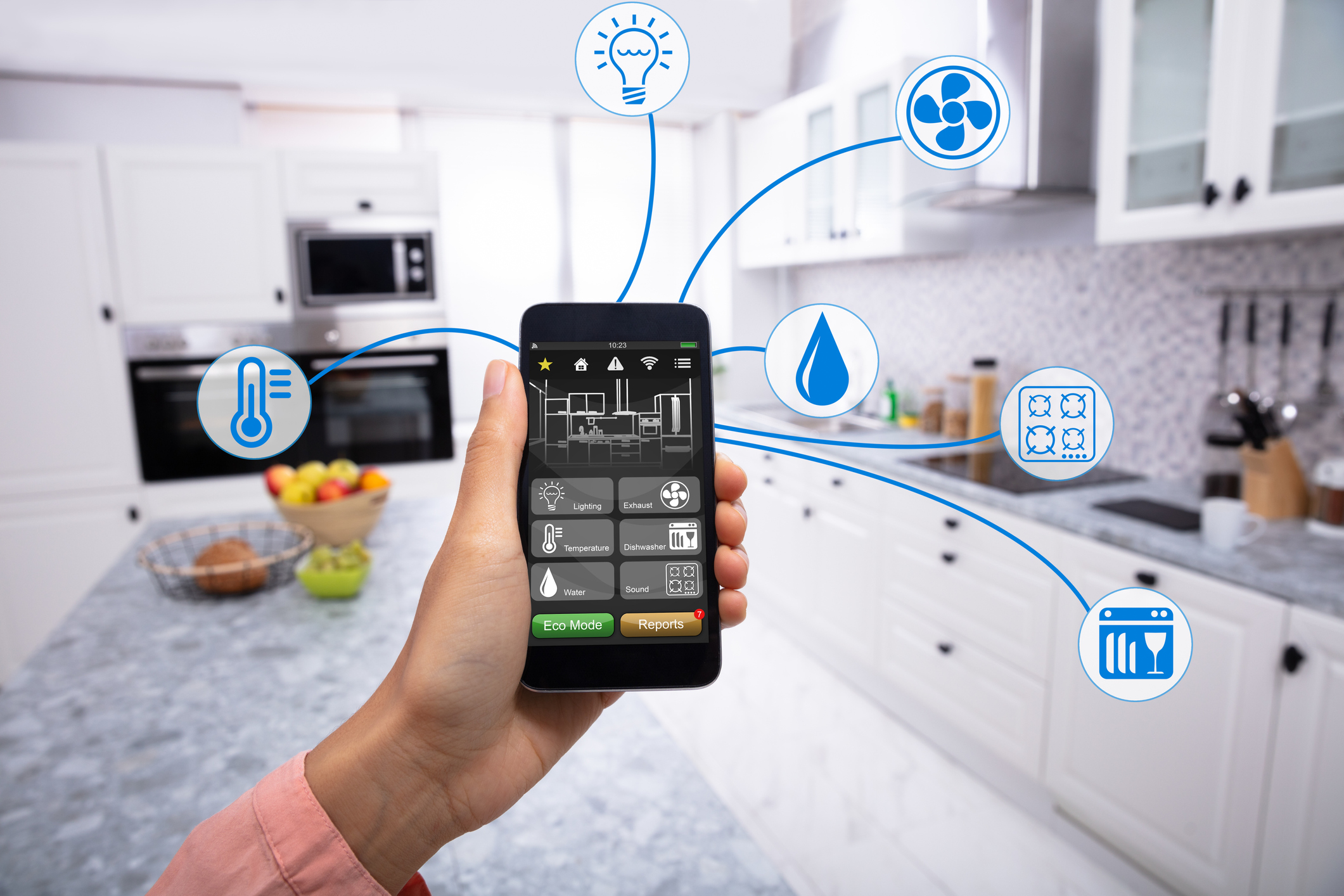
Picture Credit: Google






 OVS Journalism Blog
